Technology: Definition, Meaning and Examples
Technology is the use of knowledge, tools and processes to solve problems or achieve practical goals. It includes far more than computers and smartphones: everyday objects such as bicycles, cooking utensils and water pipes are also forms of technology.
What is the definition of technology?
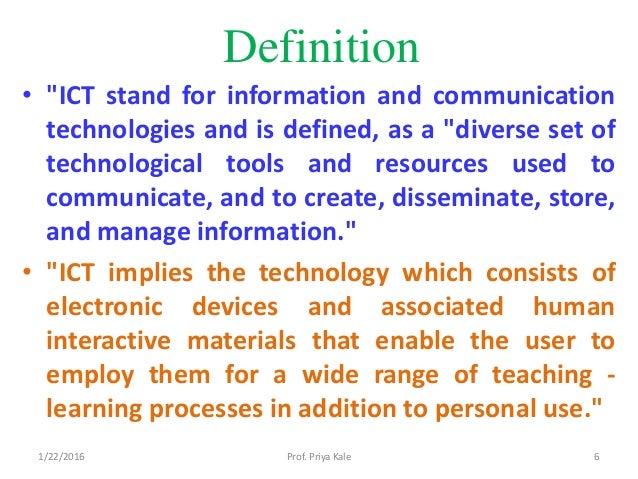
A simple technology definition in English is: the practical application of knowledge, skills and tools to create products, systems or methods that meet human needs.
The word can also refer to a particular set of tools or methods. For example, “medical technology” includes equipment and techniques used to diagnose and treat illness, while “digital technology” includes computers, software and online services.
Where does the word “technology” come from?
“Technology” comes from the Greek words tekhnē, meaning art, craft or skill, and logia, meaning study or discussion. Its meaning has broadened over time. Today, it commonly describes both the knowledge behind practical inventions and the inventions, systems and processes themselves.
Examples of technology
Technology can be simple or highly complex. Examples include:
- Everyday technology: clocks, glasses, washing machines and kitchen tools.
- Digital technology: computers, mobile phones, websites and artificial intelligence.
- Transport technology: bicycles, trains, electric vehicles and navigation systems.
- Medical technology: diagnostic scanners, prosthetic limbs and surgical instruments.
- Agricultural technology: irrigation systems, tractors and crop-monitoring tools.
Is technology the same as science?
Technology and science are connected, but they are not the same. Science aims to understand the natural world through observation and investigation. Technology applies knowledge and practical skills to create solutions, products or processes.
For example, scientific research may explain how electricity behaves. Engineers and inventors can use that knowledge to develop electrical appliances and power systems. In practice, science and technology often advance together: new tools help researchers make discoveries, and those discoveries can lead to new technologies.
Why is technology important?
Technology shapes how people communicate, work, learn, travel and access services. It can make tasks faster, improve safety, support medical care and help people share information across long distances. It also creates new challenges, including concerns about privacy, online security, unequal access and the effects of automation on work.
Understanding technology therefore means looking not only at how a tool works, but also at how people use it and how it affects society.
In summary
Technology is the practical use of knowledge, skills and tools to solve problems and meet needs. It ranges from simple objects to complex digital systems, and it plays a part in almost every area of modern life.
Understanding Technology: A Comprehensive Guide to Tools, Systems, and Practical Applications
- Define technology as the use of scientific knowledge for practical purposes.
- Mention tools, machines, systems and methods.
- Explain what the technology helps people do.
- Use a clear example, such as a smartphone or a water filter.
- Keep the definition broad enough to include digital and non-digital technology.
- Use British spelling, such as “organise” and “analyse”, where relevant.
Define technology as the use of scientific knowledge for practical purposes.
Technology can be defined as the use of scientific knowledge for practical purposes. It involves applying what we know about the world to create tools, systems and processes that solve problems or make tasks easier. From everyday appliances to advanced medical equipment, technology turns knowledge into practical solutions that shape how we live and work.
Mention tools, machines, systems and methods.
Technology includes more than electronic devices: it encompasses the tools and machines people create, as well as the systems and methods they use to solve problems or carry out tasks. From a simple hand tool to a complex transport network, each is an example of technology when it applies practical knowledge to meet a need.
Explain what the technology helps people do.
When explaining the definition of technology, describe what it helps people do. Technology uses knowledge, tools and processes to solve problems or make tasks easier, quicker or safer. For example, a phone helps people communicate over long distances, while medical technology helps professionals diagnose and treat illness. Focusing on its purpose makes the meaning of technology clearer and easier to understand.
Use a clear example, such as a smartphone or a water filter.
A simple way to understand the definition of technology is to consider a smartphone. It combines hardware, software and communication networks to help people make calls, find information, take photographs and use online services. A water filter is another clear example: it uses materials and design to remove impurities from water. Both show that technology is the practical application of knowledge to solve problems or meet everyday needs.
Keep the definition broad enough to include digital and non-digital technology.
When defining technology, keep the meaning broad enough to include both digital and non-digital examples. Technology is not limited to computers, smartphones or software; it also covers practical tools, machines, materials and processes, from simple hand tools and bicycles to medical equipment and irrigation systems. This wider definition reflects how technology applies knowledge and skills to solve problems and meet human needs in many different ways.
Use British spelling, such as “organise” and “analyse”, where relevant.
When writing about technology, use British English spelling consistently. For example, write “organise” rather than “organize” and “analyse” rather than “analyze”. This small detail helps make your article feel natural and familiar to readers in the UK.