Technology-Based News: Staying Informed in a Digital Age
In today’s fast-paced world, technology-based news is more important than ever. As digital innovations continue to reshape industries and influence our daily lives, staying informed about the latest developments is crucial. From breakthroughs in artificial intelligence to advancements in renewable energy, technology news covers a wide array of topics that impact both individuals and businesses.
The Importance of Technology News
Technology news serves as a vital resource for understanding how new tools and innovations can be applied to solve real-world problems. It helps businesses stay competitive by keeping them informed about emerging trends and potential disruptions within their industries. For individuals, technology news provides insights into how new gadgets and software can enhance personal productivity and improve quality of life.
Key Areas of Focus
Some key areas that dominate technology-based news include:
- Artificial Intelligence (AI): AI continues to be a hot topic, with developments ranging from machine learning algorithms to robotics. News in this area often explores the ethical implications of AI, as well as its applications across various sectors.
- Cybersecurity: As cyber threats become more sophisticated, staying updated on cybersecurity news is essential for protecting personal data and organisational assets.
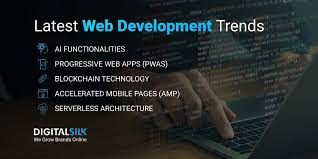
- Blockchain Technology: Beyond cryptocurrencies like Bitcoin, blockchain technology is being explored for its potential to revolutionise supply chains, finance, and even voting systems.
- Sustainable Technologies: With climate change at the forefront of global concerns, innovations in renewable energy sources and sustainable practices are frequently highlighted in tech news.
- The Internet of Things (IoT): IoT devices are increasingly integrated into everyday life. News stories often focus on connectivity improvements and the implications for privacy and security.
The Role of Media Outlets
A wide range of media outlets specialise in delivering technology-based news. From established publications like Wired and TechCrunch to independent blogs and YouTube channels, there is no shortage of sources providing diverse perspectives on technological advancements. These outlets not only report on current events but also offer analyses that help readers understand the broader impact of these developments.
Navigating Technology News
With so much information available, it can be challenging to discern which sources are trustworthy. It’s important for readers to critically evaluate the credibility of their chosen outlets by considering factors such as journalistic integrity, expertise of contributors, and transparency about potential biases or conflicts of interest.
The Future of Technology News
The landscape of technology-based news will continue to evolve alongside advancements within the industry itself. As technologies like virtual reality (VR) and augmented reality (AR) gain traction, they may also transform how we consume news content—offering more immersive ways to engage with stories.
In conclusion, staying informed about technology-based news is essential for navigating our increasingly digital world. By engaging with reputable sources that cover a broad spectrum of topics within this field, individuals can better understand how these innovations affect their lives today—and what possibilities lie ahead for tomorrow.
7 Essential Tips for Evaluating Technology News
- Check the source’s reputation.
- Verify claims with other outlets.
- Look for dates and updates.
- Separate facts from opinion.
- Beware of sensational headlines.
- Check who funded the research.
- Read beyond the headline.
Check the source’s reputation.
Before sharing or acting on a technology news story, check the reputation of its source. Look for established publications with clear editorial standards, named authors and a record of correcting mistakes. Be cautious of sensational headlines, anonymous claims and websites that do not link to evidence. When a story makes a significant claim, compare it with reporting from other reputable outlets and, where possible, consult the original research or announcement. This simple check can help you separate reliable reporting from speculation and misinformation.
Verify claims with other outlets.
Before sharing a technology story, check its key claims against coverage from other reputable outlets. Independent reporting can help confirm whether a development is genuine, add missing context and reveal where details remain uncertain. Look for original sources, such as research papers, official announcements or expert statements, and be cautious if a claim appears only on one site or relies on anonymous or unclear evidence.
Look for dates and updates.
When reading technology-based news, check the publication date and look for later updates. Technology changes quickly, so an article that was accurate a few months ago may no longer reflect the latest software, security guidance or product features. Recent updates can also add corrections or important context, helping you judge whether the information is still relevant before acting on it.
Separate facts from opinion.
When reading technology-based news, separate verifiable facts from opinion and interpretation. Check whether claims are supported by evidence, such as named sources, research or official data, and notice when an article uses evaluative language or makes predictions. Opinions can offer useful perspectives, but recognising them as such helps you form your own view and avoid mistaking commentary for established fact.
Beware of sensational headlines.
Beware of sensational headlines when reading technology-based news. Dramatic claims about revolutionary breakthroughs, imminent threats or the end of familiar technologies may be designed to attract clicks rather than accurately reflect the facts. Read beyond the headline, check what evidence the article provides, and look for confirmation from reputable sources before sharing the story. A cautious approach helps separate genuine developments from hype and misinformation.
Check who funded the research.
When reading technology-based news about a study or new product, check who funded the research. Funding from a company that could benefit from positive findings may influence which questions are asked, how results are presented or which limitations receive attention. This does not automatically make the research unreliable, but it is useful context. Look for funding disclosures, consider whether the researchers are independent, and see whether other studies have reached similar conclusions.
Read beyond the headline.
When reading technology-based news, look beyond the headline before forming an opinion. Headlines are designed to attract attention and may simplify a complex story or leave out important context. Read the full article, check what evidence supports its claims, and note whether it distinguishes confirmed facts from speculation. This is especially useful for stories about emerging technologies, where early reports can be incomplete or misleading.