Technology Articles 2015: The Trends That Shaped a Digital Year
Looking back at technology articles from 2015 reveals a year when digital tools became more closely woven into everyday life. Smartphones continued to evolve, wearable devices moved into the mainstream, and conversations about artificial intelligence, connected devices and online security grew more prominent. Many of the themes that dominate technology today were already taking shape.
Wearable technology steps forward
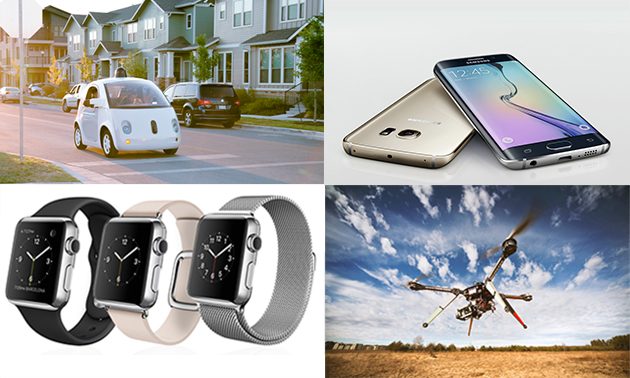
One of 2015’s most talked-about launches was the Apple Watch, which went on sale in April. It brought notifications, fitness tracking and apps to the wrist, helping to make smartwatches a more familiar part of consumer technology. Fitness bands and other wearable devices also attracted interest, although questions remained about battery life, privacy and whether people would keep using them after the novelty wore off.
At the time, technology articles often explored the promise of wearables as well as their practical limits. Could a watch meaningfully improve health and fitness? Would it make everyday tasks easier, or simply add another screen to check? Those questions remain relevant as wearable devices continue to develop.
Windows 10 and the changing PC
Microsoft released Windows 10 in July 2015, presenting it as a new chapter for its operating system. The return of the Start menu, the introduction of the Edge browser and the availability of a free upgrade for many existing users were among the major talking points. The launch reflected a broader shift: computers were no longer the only centre of digital life, but still mattered for work, creativity and gaming.
Technology coverage also followed the changing relationship between laptops, tablets and mobile phones. Rather than replacing computers outright, mobile devices had become part of a wider collection of tools people used throughout the day.
The Internet of Things gains attention
The term “Internet of Things” appeared frequently in technology articles in 2015. It described everyday objects connected to the internet, from smart thermostats and cameras to appliances and fitness trackers. The appeal was easy to understand: connected devices could automate routine tasks and provide useful information.
But the growing number of connected products raised important concerns. Devices needed to be secure, manufacturers needed to support them over time, and users needed clearer information about what data was being collected. These issues became central to discussions about smart homes and connected technology in the years that followed.
Cybersecurity becomes a mainstream concern
Online security was another major subject in 2015. High-profile data breaches, including the attack on UK telecoms company TalkTalk, brought questions about personal information and corporate responsibility into everyday news coverage. Cybersecurity was no longer just a technical issue for specialists; it affected customers, businesses and public organisations alike.
Articles from the period highlighted familiar advice: use strong, unique passwords, install software updates and be cautious with unexpected messages. The details of digital threats have changed since then, but the need to protect accounts and personal data has only grown.
Virtual reality moves closer to consumers
Virtual reality attracted renewed attention as companies prepared consumer headsets and explored new ways to create immersive experiences. Samsung’s Gear VR became available to consumers in 2015, while other major products were still in development. Early coverage considered possible uses in gaming, education, design and entertainment, alongside practical challenges such as cost, comfort and the need for suitable content.
Virtual reality did not transform everyday life overnight, but the experiments of that period helped establish a foundation for later headsets and immersive media.
Artificial intelligence enters wider discussion
In 2015, artificial intelligence was increasingly discussed beyond research laboratories. Articles examined voice assistants, automated services, data analysis and the potential for machines to take on tasks traditionally performed by people. Much of the coverage balanced excitement about new capabilities with questions about jobs, accountability and the limits of automated decision-making.
That debate has since expanded considerably. Still, 2015 was an important moment in the wider public conversation about how intelligent software might affect work and daily life.
Why technology articles from 2015 still matter
Reading technology articles from 2015 is useful not simply as a nostalgic look at old gadgets, but as a way to see how today’s digital world developed. Wearables, connected homes, virtual reality, artificial intelligence and cybersecurity were already attracting serious attention. The products have changed, and some predictions proved more accurate than others, but many of the underlying questions remain.
The year’s technology coverage also offers a reminder that innovation is rarely just about the latest device. It is about how people use technology, who controls it, what information it gathers and how its benefits and risks are shared. Those questions made 2015 a significant year in technology—and continue to shape the conversation today.
Exploring the Key Technology Trends and Innovations of 2015: A Look at Major Product Launches, Windows 10 Impact, Cybersecurity Concerns, and Advances in Wearables and IoT
- What were the biggest technology trends in 2015?
- Which major technology products launched in 2015?
- How did Windows 10 change personal computing in 2015?
- What were the main cybersecurity concerns in 2015?
- How did wearable technology and the Internet of Things develop in 2015?
What were the biggest technology trends in 2015?
The biggest technology trends in 2015 included the rise of wearable devices such as smartwatches and fitness trackers, the launch of Windows 10, and growing interest in the Internet of Things, which connected everyday objects to the internet. Virtual reality began moving closer to consumers, while artificial intelligence attracted wider attention. Cybersecurity also became a major concern as high-profile data breaches highlighted the importance of protecting personal information.
Which major technology products launched in 2015?
Major technology products launched in 2015 included the Apple Watch, Microsoft’s Windows 10 operating system, the iPhone 6s and 6s Plus, and Apple’s first iPad Pro. Samsung also released its Galaxy S6 and Galaxy Note5 smartphones, while Microsoft introduced the Surface Book and Raspberry Pi launched the low-cost Raspberry Pi Zero. These releases reflected the year’s focus on wearables, mobile devices, personal computing and affordable electronics.
How did Windows 10 change personal computing in 2015?
Windows 10 changed personal computing in 2015 by bringing together familiar desktop features and newer touch-friendly tools in a single operating system. Its return of the Start menu addressed feedback from Windows 8 users, while the new Edge browser and built-in assistant Cortana introduced fresh ways to browse and interact with a PC. Microsoft also offered a free upgrade to many users of Windows 7 and 8.1, helping the system reach a broad audience and signalling a shift towards regular updates rather than waiting for entirely separate versions.
What were the main cybersecurity concerns in 2015?
In 2015, the main cybersecurity concerns included high-profile data breaches, stolen personal and financial information, and weaknesses in how organisations protected customer data. Ransomware and other forms of malware were also growing threats, while phishing emails and weak or reused passwords made it easier for criminals to access accounts. The TalkTalk cyber-attack brought these risks into sharp focus in the UK, prompting greater attention to data security, software updates and the need for stronger safeguards.
How did wearable technology and the Internet of Things develop in 2015?
In 2015, wearable technology became more visible to consumers, with the launch of the Apple Watch bringing smartwatches, notifications and fitness tracking into the mainstream conversation. Fitness bands also gained popularity, although questions about battery life, privacy and long-term usefulness remained. At the same time, the Internet of Things attracted growing interest as everyday devices—such as thermostats, cameras and appliances—became connected to the internet. These developments promised greater convenience and automation, while highlighting the need for stronger security and clearer safeguards for personal data.