The Impact of Technology in the USA
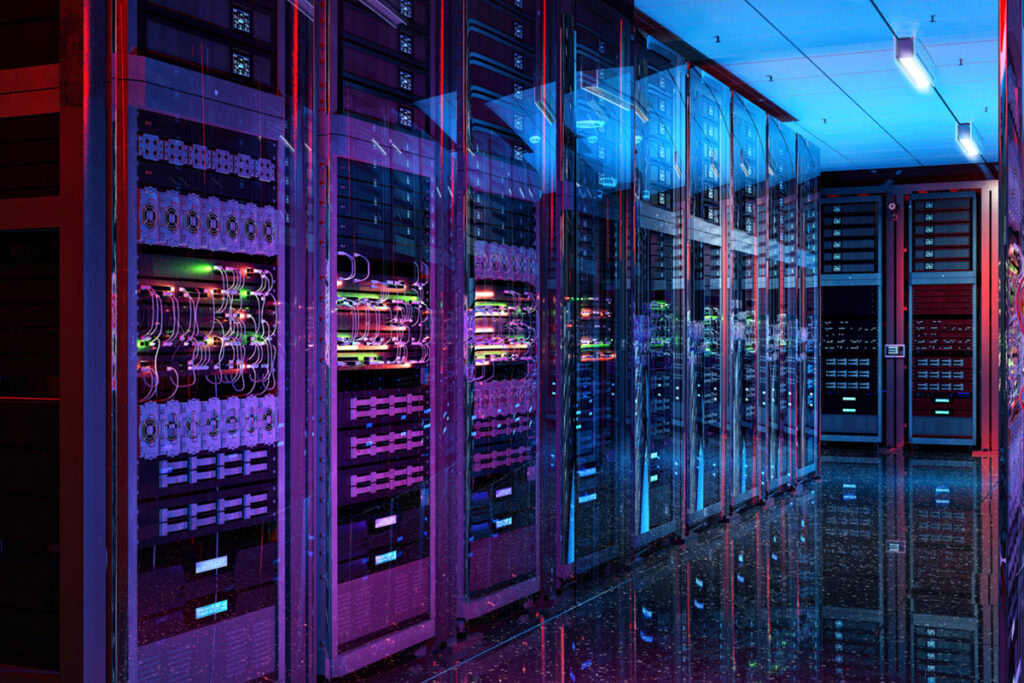
The United States has long been a global leader in technological innovation. From the early days of computing to the current era of artificial intelligence and quantum computing, technology has played a pivotal role in shaping the country’s economy, culture, and society.
Historical Context
The technological journey of the USA began with significant milestones such as the invention of the telegraph and telephone in the 19th century. The 20th century saw rapid advancements with the development of computers, space exploration, and the internet. These innovations not only transformed American life but also set global standards.
Silicon Valley: The Heart of Innovation
Silicon Valley in California is synonymous with technological advancement. Home to major tech companies like Apple, Google, and Facebook, this region has been instrumental in driving innovation. The concentration of talent and investment has fostered an environment where groundbreaking technologies are born.
Current Technological Trends
Today, technology in the USA is characterised by several key trends:
- Artificial Intelligence (AI): AI is revolutionising industries from healthcare to finance. American companies are at the forefront of developing AI technologies that enhance efficiency and decision-making.
- 5G Networks: The rollout of 5G networks is transforming connectivity across the country, enabling faster internet speeds and fostering innovations such as smart cities and autonomous vehicles.
- Renewable Energy Technologies: With growing concerns about climate change, there is a strong push towards renewable energy solutions like solar panels and wind turbines. Technological advancements are making these options more viable and cost-effective.
- Cybersecurity: As technology becomes more integrated into everyday life, ensuring data security has become paramount. US companies are investing heavily in developing robust cybersecurity measures.
The Role of Government
The US government plays a crucial role in supporting technological advancement through funding research initiatives and creating policies that promote innovation while protecting consumers’ rights. Agencies like NASA continue to push boundaries in space exploration while organisations like DARPA drive defence-related tech innovations.
Challenges Ahead
Despite its leadership position, the USA faces several challenges related to technology:
- Inequality: The digital divide remains a significant issue, with many rural areas lacking access to high-speed internet.
- Privacy Concerns: As technology becomes more pervasive, concerns about data privacy and surveillance have increased among citizens.
- Sustainability: Balancing technological growth with environmental sustainability is an ongoing challenge that requires innovative solutions.
The Future Outlook
The future of technology in the USA looks promising with continued investments in research and development. Emerging fields such as quantum computing hold immense potential for breakthroughs that could redefine industries worldwide.
The USA’s commitment to fostering innovation ensures it will remain at the forefront of technological progress for years to come. By addressing current challenges head-on while nurturing talent across diverse sectors, America can continue its legacy as a global tech leader.
The impact of technology on American society is profound; it shapes how people live their lives today while paving new paths for future generations tomorrow.
Five Ways Technology Propels Progress and Prosperity in the USA
- Drives innovation across industries.
- Creates high-skilled jobs.
- Attracts global investment.
- Advances medical research and care.
- Supports faster communication and connectivity.
Challenges of Technology in the USA: Inequality, Privacy, Economic Disparities, and Environmental Impact
- Unequal access to reliable internet persists.
- Data privacy and surveillance remain concerns.
- Tech-sector growth can widen economic inequality.
- Electronic waste harms the environment.
Drives innovation across industries.
Technology in the USA drives innovation across industries, helping businesses develop new products, improve services and work more efficiently. Advances in areas such as artificial intelligence, biotechnology and clean energy can transform everything from healthcare and manufacturing to transport and finance. With investment, research institutions and skilled workers supporting new ideas, technological progress can also create jobs and open up fresh opportunities for growth.
Creates high-skilled jobs.
Technology creates high-skilled jobs across the USA, from software development and cybersecurity to engineering, data science and advanced manufacturing. As businesses adopt new tools and industries grow, demand rises for people with specialist technical knowledge and problem-solving skills. These roles can offer strong career prospects and help drive innovation, although access to suitable education and training is important so that people across different communities can benefit.
Attracts global investment.
The USA’s strong technology sector attracts investment from businesses, venture capital firms and governments around the world. Its research universities, skilled workforce, established technology companies and access to large markets make it an appealing place to develop and scale new ideas. This global investment can support start-ups, create jobs and fund research, helping the country maintain its position as a major centre for innovation.
Advances medical research and care.
Technology in the USA is helping to advance medical research and improve patient care. Researchers use powerful computing tools to analyse large datasets, identify patterns and develop new treatments, while innovations such as telemedicine and remote monitoring can make healthcare more accessible. Advances in medical imaging, robotic surgery and personalised medicine also support more accurate diagnosis and treatment. Although access to these technologies is not equal for everyone, their continued development has the potential to improve health outcomes across the country.
Supports faster communication and connectivity.
Technology in the USA supports faster communication and greater connectivity, helping people stay in touch across long distances and access information in seconds. High-speed broadband, mobile networks and digital communication tools make it easier to collaborate at work, study online and connect with friends and family. As networks continue to develop, these technologies can also link communities to essential services and create new opportunities for businesses and individuals.
Unequal access to reliable internet persists.
Unequal access to reliable internet remains a significant drawback of technology in the USA. While many urban households can choose from fast broadband services, some rural and lower-income communities have limited coverage, slower connections or costs that are difficult to afford. This digital divide can restrict access to education, healthcare, job opportunities and essential public services, making it harder for people to participate fully in modern life. Expanding affordable, dependable internet access is therefore crucial to ensuring that technological progress benefits communities across the country.
Data privacy and surveillance remain concerns.
Data privacy and surveillance remain significant concerns as technology becomes more deeply embedded in everyday life across the USA. Apps, websites and connected devices can collect extensive personal information, while people may not always know how their data is used, stored or shared. Government surveillance and the growing use of facial recognition also raise questions about consent, oversight and civil liberties. Clearer rules, stronger security and greater transparency are essential to help protect people’s privacy while allowing technology to develop responsibly.
Tech-sector growth can widen economic inequality.
The rapid growth of the US technology sector can widen economic inequality. High-paying jobs and investment are often concentrated in a small number of cities and among workers with specialised skills, while people in other regions may have fewer opportunities to benefit. Meanwhile, automation and digital platforms can put pressure on some traditional jobs and wages. Without broader access to education, retraining and the gains created by new technologies, the gap between those who prosper and those who are left behind may continue to grow.
Electronic waste harms the environment.
One significant drawback of technology in the USA is the growing volume of electronic waste, or e-waste. Discarded phones, computers and other devices can contain hazardous materials that may pollute soil and water if they are not handled properly. Although recycling schemes are available, not all old electronics are recycled responsibly, and the rapid pace of upgrades can encourage people to replace devices more often than necessary. Better repair options, longer-lasting products and responsible recycling can help reduce the environmental harm.