The Meaning of Technology in English
Technology is a term that has become ubiquitous in our modern world. It encompasses a wide range of tools, systems, and processes that are designed to solve problems, improve efficiency, and enhance our lives. In English, the word “technology” originates from the Greek words “techne,” meaning art or skill, and “logia,” meaning study or science. Therefore, technology can be seen as the study of techniques or the application of scientific knowledge for practical purposes.
Throughout history, technology has played a crucial role in shaping human civilisation. From the invention of the wheel to the development of smartphones and artificial intelligence, technology has continually evolved to meet the changing needs and demands of society. It has revolutionised communication, transportation, healthcare, entertainment, and virtually every aspect of our daily lives.
One of the defining characteristics of technology is its ability to innovate and adapt. As new discoveries are made and new challenges arise, technology evolves to address them. This constant cycle of innovation drives progress and propels us towards a more advanced future.
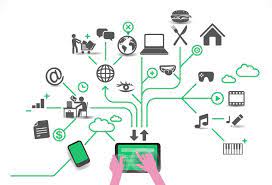
Technology is not limited to just physical devices or machines; it also encompasses software, algorithms, networks, and data systems. The digital revolution has brought about a new era of technological advancements that have transformed how we interact with each other and with the world around us.
In conclusion, the meaning of technology in English goes beyond mere gadgets or tools; it represents a dynamic force that shapes our present and future. It is a testament to human ingenuity and creativity, driving us towards greater possibilities and opportunities for growth and development.
Eight Ways Technology Transforms Our World: From Efficiency to Global Collaboration
- Enhances efficiency and productivity in various industries.
- Facilitates global communication and connectivity.
- Empowers individuals with access to vast amounts of information and resources.
- Drives innovation and fosters creativity in problem-solving.
- Improves quality of life through advancements in healthcare and wellness technology.
- Enables automation of repetitive tasks, saving time and effort.
- Opens up new opportunities for learning and skill development.
- Creates a platform for collaboration and knowledge sharing on a global scale.
Exploring the Downsides of Technology: Dependency, Privacy, and More
- Dependency
- Privacy Concerns
- Digital Divide
- Cybersecurity Risks
- Environmental Impact
- Social Isolation
Enhances efficiency and productivity in various industries.
One significant advantage of technology is its ability to enhance efficiency and productivity across diverse industries. By automating tasks, streamlining processes, and providing real-time data analysis, technology enables businesses to operate more effectively and achieve higher levels of output. From manufacturing to healthcare to finance, the integration of technological tools and systems has revolutionised how work is done, leading to increased efficiency, reduced costs, and improved overall performance. This pro of technology in English highlights its transformative impact on industry practices, ultimately driving progress and success in the modern business landscape.
Facilitates global communication and connectivity.
In the realm of technology, one prominent advantage is its ability to facilitate global communication and connectivity. Through the use of digital platforms, social media, messaging apps, and video conferencing tools, individuals from different corners of the world can easily connect and interact in real-time. This interconnectedness transcends geographical boundaries and time zones, fostering a sense of unity and collaboration on a global scale. The seamless flow of information and ideas enabled by technology has revolutionised how people communicate, share knowledge, and build relationships across diverse cultures and backgrounds.
Empowers individuals with access to vast amounts of information and resources.
One significant advantage of technology is its ability to empower individuals by providing them with access to vast amounts of information and resources. Through the internet, digital tools, and online platforms, people can easily research, learn, and connect with a wealth of knowledge and opportunities that were once inaccessible. This democratization of information enables individuals to expand their horizons, enhance their skills, and make informed decisions in various aspects of their lives. By bridging the gap between people and resources, technology empowers individuals to unlock their full potential and thrive in a rapidly changing world.
Drives innovation and fosters creativity in problem-solving.
One of the key advantages of technology is its ability to drive innovation and foster creativity in problem-solving. By constantly pushing the boundaries of what is possible, technology encourages individuals and organisations to think outside the box and come up with inventive solutions to complex challenges. Whether it’s developing cutting-edge software, designing revolutionary products, or implementing efficient systems, technology empowers us to explore new ideas, experiment with different approaches, and ultimately find creative ways to address problems in a rapidly changing world.
Improves quality of life through advancements in healthcare and wellness technology.
Advancements in healthcare and wellness technology have significantly improved the quality of life for individuals worldwide. From cutting-edge medical devices to innovative telemedicine solutions, technology has revolutionised the way healthcare services are delivered, making them more accessible and efficient. Remote monitoring tools, wearable devices, and health tracking apps empower individuals to take charge of their well-being and make informed decisions about their health. These advancements not only enhance preventive care and early detection of diseases but also enable personalised treatment plans tailored to individual needs, ultimately leading to better health outcomes and an improved quality of life for many.
Enables automation of repetitive tasks, saving time and effort.
One significant advantage of technology is its ability to enable the automation of repetitive tasks, resulting in time and effort savings. By utilising automated systems and processes, individuals and organisations can streamline their operations, increase efficiency, and focus on more complex or creative tasks. This not only enhances productivity but also allows for better use of resources and ultimately contributes to overall effectiveness in various fields.
Opens up new opportunities for learning and skill development.
Technology in English opens up new opportunities for learning and skill development. With the vast array of online resources, educational platforms, and interactive tools available at our fingertips, individuals can now access knowledge and expertise like never before. Whether it’s learning a new language through language apps, mastering coding skills through online courses, or exploring virtual reality simulations for hands-on experience, technology provides a gateway to endless possibilities for personal and professional growth. By embracing technology as a tool for learning, individuals can enhance their skill sets, broaden their horizons, and stay ahead in an ever-evolving digital landscape.
Creates a platform for collaboration and knowledge sharing on a global scale.
Technology, with its vast reach and connectivity, serves as a powerful catalyst for fostering collaboration and sharing knowledge on a global scale. Through digital platforms and communication tools, individuals from different corners of the world can easily connect, exchange ideas, and work together towards common goals. This seamless flow of information transcends geographical boundaries, enabling diverse perspectives to converge and enrich the collective pool of knowledge. By facilitating global collaboration, technology not only accelerates innovation but also promotes cultural understanding and solidarity among people from varied backgrounds.
Dependency
Dependency on technology presents a significant con in the context of the meaning of technology in English. Over-reliance on technological tools and systems can result in a diminishing of crucial skills and self-sufficiency among individuals. When people become too dependent on technology to perform tasks or solve problems, they may lose the ability to think critically, problem-solve independently, or adapt to unforeseen circumstances. This reliance can lead to a lack of resilience and creativity, as well as a decreased sense of personal agency and autonomy. Striking a balance between utilising technology for its benefits while also maintaining essential skills and self-reliance is crucial to ensure that individuals remain adaptable and capable in an increasingly tech-driven world.
Privacy Concerns
Privacy concerns are a significant con associated with the meaning of technology in English. As technology advances and becomes more integrated into our daily lives, the collection and use of personal data have raised serious questions about data privacy and surveillance. From social media platforms tracking user behaviour to smart devices recording conversations, the potential for privacy breaches is a growing concern. Individuals are increasingly wary of how their data is being collected, stored, and shared, highlighting the need for stricter regulations and greater transparency in the use of technology to safeguard personal information.
Digital Divide
The digital divide represents a significant con in the meaning of technology in English, as it highlights the unequal access to technology among different populations. This disparity can create barriers to education and opportunities, widening the gap between those who have access to digital resources and those who do not. As technology plays an increasingly crucial role in various aspects of life, including education, employment, and communication, addressing the digital divide is essential to ensure that everyone has a fair chance to thrive in the digital age.
Cybersecurity Risks
Cybersecurity risks pose a significant con in the realm of technology, as the interconnected nature of digital systems exposes individuals and organisations to a myriad of cyber threats. With the increasing reliance on technology for various aspects of our lives, the vulnerability to cyber attacks has also escalated. Hackers and malicious actors exploit weaknesses in networks, software, and devices to gain unauthorized access to sensitive information, disrupt operations, or cause financial harm. The constant evolution of cyber threats requires ongoing vigilance and robust security measures to safeguard against potential breaches and protect data privacy in an increasingly interconnected digital landscape.
Environmental Impact
The environmental impact of technology is a significant concern in today’s world. The production and disposal of technological devices contribute to environmental pollution, posing a threat to ecosystems and human health. The extraction of raw materials, manufacturing processes, and electronic waste disposal all have detrimental effects on the environment, including air and water pollution, deforestation, and increased carbon emissions. As society continues to embrace new technologies at a rapid pace, it is crucial to address these environmental challenges and work towards sustainable solutions that minimise the negative impact on our planet.
Social Isolation
Social isolation is a significant con associated with the meaning of technology in English. The excessive use of technology can often result in reduced opportunities for face-to-face interaction and can contribute to feelings of loneliness and disconnection from others. As individuals spend more time engrossed in their devices and online activities, they may neglect building and maintaining meaningful relationships in the real world. This lack of personal interaction can lead to social isolation, impacting mental well-being and overall quality of life. It is essential to strike a balance between utilising technology for its benefits while also prioritising genuine human connections to combat the negative effects of social isolation.