Technology Can Be Defined As: Meaning, Examples and Importance
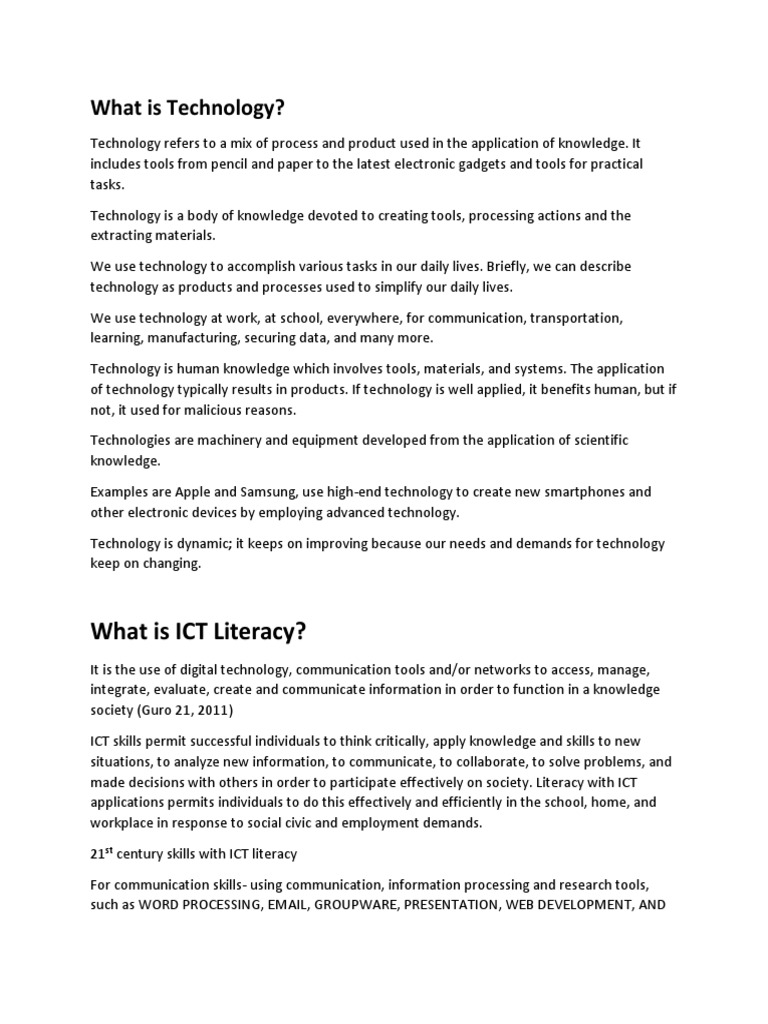
Technology can be defined as the practical application of knowledge, skills and tools to solve problems or achieve particular goals. It includes far more than computers and digital devices: from simple tools and farming methods to medical equipment, transport systems and artificial intelligence, technology takes many forms.
What Does Technology Mean?
The word “technology” is often associated with modern electronics, but its meaning is much broader. A stone tool, a water wheel, a printing press and a smartphone are all examples of technology. Each uses knowledge and design to help people do something more effectively, whether that is preparing food, producing goods, sharing information or travelling.
Technology can also refer to the processes and systems that make products and services possible. For example, a hospital’s technology includes not only scanners and monitoring equipment, but also the digital systems used to manage appointments and patient records.
Types of Technology
Technology can be grouped in several ways, depending on its purpose. Common examples include:
- Information technology: computers, software, networks and systems used to store, process and share information.
- Communication technology: tools such as mobile phones, video calls and online messaging services.
- Medical technology: equipment, treatments and systems used to prevent, diagnose or manage health conditions.
- Transport technology: vehicles, engines, navigation systems and the infrastructure that supports travel.
- Agricultural technology: machinery, irrigation systems and methods that support food production.
- Energy technology: equipment and systems for generating, storing and distributing energy.
These categories often overlap. A modern electric car, for instance, combines transport, energy, computing and communication technologies.
How Technology Affects Everyday Life
Technology influences how people work, learn, communicate and spend their free time. Digital tools can make it easier to access information, collaborate across distances and complete routine tasks. In fields such as medicine and engineering, new technologies can also support more precise work and help address complex challenges.
However, technology can bring difficulties as well as benefits. People may have concerns about privacy, online safety, job changes, unequal access or the environmental cost of producing and using devices. Understanding how a technology works, who it affects and what trade-offs it involves is an important part of using it responsibly.
Technology and Innovation
Technology changes as people develop new ideas and improve existing ones. Innovation does not always mean inventing something entirely new. It can also involve making a familiar tool safer, more affordable, more accessible or more efficient. The spread of technologies depends on factors such as cost, infrastructure, public needs and the skills required to use them.
In Summary
Technology can be defined as the use of knowledge, tools and methods to meet needs and solve practical problems. It ranges from everyday objects to complex digital systems, and it continues to shape society. Looking at technology in this broad way helps explain both its usefulness and the responsibilities that come with its development and use.
Understanding Technology: From Simple Tools to Advanced Systems and Their Impact on Everyday Life
- Clarifies what technology means.
- Includes both simple tools and advanced systems.
- Shows how knowledge can solve practical problems.
- Highlights technology’s role in everyday life.
- Makes different types of technology easier to understand.
- Encourages thoughtful and responsible use.
Five Potential Drawbacks of Technology in Modern Society
- Can increase dependence on devices.
- May reduce face-to-face interaction.
- Can threaten privacy and security.
- May widen the digital divide.
- Can cause environmental harm.
Clarifies what technology means.
Defining technology clearly helps people understand that it is not limited to computers, smartphones or other modern gadgets. It also includes the tools, techniques and systems people create to solve problems and meet practical needs. This broader meaning makes it easier to recognise technology in everyday life, from a simple hand tool to a complex medical device, and to discuss how it shapes the way people live and work.
Includes both simple tools and advanced systems.
One advantage of defining technology broadly is that it includes both simple tools and advanced systems. A hand tool, a water wheel and a computer network may seem very different, but each applies knowledge to solve a problem or make a task easier. This inclusive definition shows how technology has developed over time and helps us recognise its role in everyday life, not just in the latest digital devices.
Shows how knowledge can solve practical problems.
One of the advantages of technology is that it shows how knowledge can be used to solve practical problems. By applying ideas from fields such as science and engineering, people can develop tools and systems that make everyday tasks easier, improve healthcare and help businesses work more efficiently. For example, medical technology uses scientific knowledge to diagnose illnesses, while navigation apps help people find the best route to their destination.
Highlights technology’s role in everyday life.
One advantage of defining technology broadly is that it highlights its role in everyday life. Technology is not limited to computers or the latest gadgets; it also includes familiar tools and systems that help people cook, travel, communicate, work and stay healthy. Recognising these everyday examples makes it easier to understand how technology shapes daily routines and supports people in meeting practical needs.
Makes different types of technology easier to understand.
Defining technology in clear, straightforward terms makes its many forms easier to understand. Rather than associating technology only with computers or the latest gadgets, people can recognise that it also includes tools, systems and methods used in everyday life, from farming equipment to medical devices. This broader definition helps readers see how different technologies work, what they are used for and how they can affect society.
Encourages thoughtful and responsible use.
Defining technology as the practical use of knowledge, tools and methods to solve problems encourages people to think carefully about how it is developed and used. Rather than viewing every new device or system as automatically beneficial, this perspective invites consideration of its purpose, potential risks and effects on people and the environment. It also highlights the importance of using technology responsibly, including protecting privacy, checking information and choosing tools that genuinely meet our needs.
Can increase dependence on devices.
One disadvantage of technology is that it can increase dependence on devices. Many people rely on smartphones, computers and online services for everyday tasks, from communication and navigation to shopping and work. Although these tools can be convenient, relying on them too heavily may make it harder to manage without them, reduce face-to-face interaction or affect concentration. Building healthy habits, such as taking regular screen breaks and keeping essential skills practised, can help maintain a better balance.
May reduce face-to-face interaction.
One potential disadvantage of technology is that it may reduce face-to-face interaction. When people rely heavily on messaging apps, social media and video calls, they may spend less time having conversations in person. Although digital communication helps people stay connected over long distances, it can lack some of the tone, body language and personal connection of meeting face to face. Over time, less in-person contact may make it harder to build strong relationships or practise communication skills.
Can threaten privacy and security.
One important disadvantage of technology is that it can threaten privacy and security. Online services and connected devices often collect personal information, which may be exposed through data breaches, misused by organisations or accessed by criminals. Weak passwords, scams and insecure networks can also put accounts and sensitive details at risk. Using strong, unique passwords, enabling two-factor authentication and checking privacy settings can help reduce these risks, but technology users should remain cautious about what they share and where they share it.
May widen the digital divide.
One significant disadvantage of technology is that it may widen the digital divide: the gap between people who can access and use digital tools and those who cannot. Reliable internet, up-to-date devices and the skills to use them are not equally available to everyone. As more essential services, learning resources and job opportunities move online, people without suitable access may find it harder to participate fully in society. Closing this gap requires affordable connectivity, accessible technology and opportunities for digital skills training.
Can cause environmental harm.
One significant drawback of technology is that it can cause environmental harm. Manufacturing electronic devices and other products uses energy and raw materials, while extracting these resources can damage habitats and contribute to pollution. Technology also creates waste: discarded phones, computers and batteries may contain hazardous substances and are difficult to recycle safely. In addition, the energy used to power devices, data centres and transport systems can increase greenhouse gas emissions, particularly when it comes from fossil fuels. Designing longer-lasting products, improving recycling and using renewable energy can help reduce these impacts.