What’s New in Computer Technology Today
The world of computer technology is ever-evolving, with new advancements and innovations emerging at a rapid pace. Today, we explore some of the most exciting developments that are shaping the future of computing.
Quantum Computing
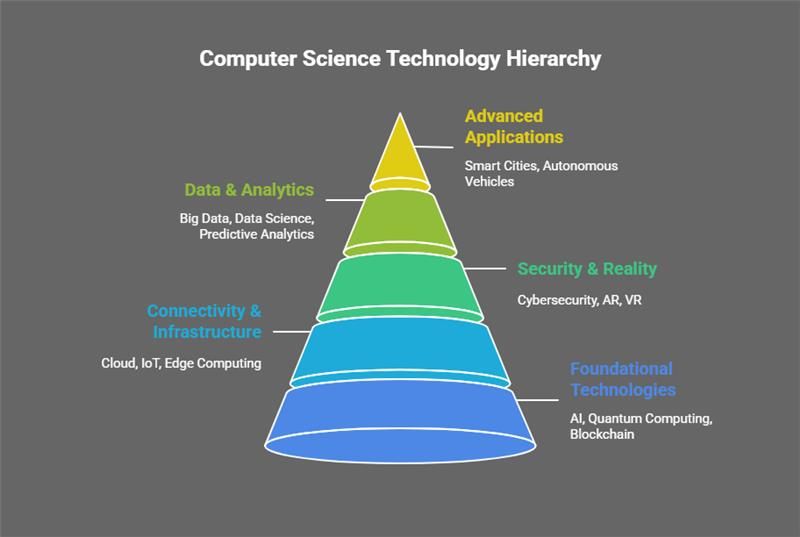
Quantum computing is making significant strides, promising to revolutionise how we process information. Unlike classical computers that use bits as the smallest unit of data, quantum computers utilise qubits, which can represent and store information in multiple states simultaneously. This capability allows quantum computers to solve complex problems much faster than traditional systems. Companies like IBM and Google are making progress in developing practical quantum computers, potentially transforming fields such as cryptography, materials science, and drug discovery.
Artificial Intelligence and Machine Learning
Artificial intelligence (AI) continues to advance rapidly, with machine learning algorithms becoming more sophisticated and capable. AI is being integrated into various applications, from natural language processing to autonomous vehicles. Recent developments include the improvement of AI models like GPT-3 for generating human-like text and advancements in computer vision technology that enhance image recognition capabilities.
Edge Computing
As the demand for real-time data processing increases, edge computing has emerged as a crucial technology. By processing data closer to its source rather than relying on centralised data centres, edge computing reduces latency and bandwidth usage. This approach is particularly beneficial for Internet of Things (IoT) devices and applications requiring immediate data analysis.
5G Technology
The rollout of 5G networks is transforming connectivity by offering significantly faster internet speeds and lower latency compared to previous generations. This advancement supports the growth of IoT devices, enhances mobile broadband experiences, and enables new technologies such as augmented reality (AR) and virtual reality (VR) to function more effectively.
Cybersecurity Innovations
With increasing cyber threats targeting individuals and organisations alike, cybersecurity innovations are more critical than ever. Advances in encryption methods, biometric authentication systems, and AI-driven threat detection are helping protect sensitive information from malicious attacks.
Sustainable Computing
The push towards sustainable technology has led to significant improvements in energy-efficient computing solutions. Companies are developing hardware that consumes less power without compromising performance while also exploring eco-friendly materials for manufacturing components.
Conclusion
The landscape of computer technology is constantly evolving with groundbreaking innovations that promise to reshape our digital experiences profoundly. From quantum computing breakthroughs to advancements in AI and 5G connectivity, these developments pave the way for a future where technology becomes even more integrated into our daily lives.
As these technologies continue to mature over time, they will undoubtedly unlock new possibilities across various industries while addressing some of today’s most pressing challenges.
Exploring the Latest Innovations in Computer Technology: Key Questions and Insights
- What is quantum computing and how does it differ from traditional computing?
- How is artificial intelligence (AI) being integrated into computer technology today?
- What are the benefits of edge computing in the context of modern technology?
- How does 5G technology impact computer technology and connectivity?
- What cybersecurity innovations are emerging to address current digital threats?
- In what ways is sustainable computing being promoted in computer technology advancements?
- Which recent developments in computer technology have the most significant potential impact on society?
What is quantum computing and how does it differ from traditional computing?
Quantum computing represents a revolutionary approach to processing information that harnesses the principles of quantum mechanics. Unlike traditional computing, which relies on bits to store and process data in binary form (0 or 1), quantum computing utilises qubits that can exist in multiple states simultaneously due to superposition and entanglement. This unique property enables quantum computers to perform complex calculations at unprecedented speeds, potentially solving problems that are currently intractable for classical computers. Quantum computing’s ability to explore multiple solutions simultaneously through quantum parallelism distinguishes it from the linear processing of classical computers, offering immense potential for tackling complex computational challenges in fields such as cryptography, optimisation, and scientific research.
How is artificial intelligence (AI) being integrated into computer technology today?
Artificial intelligence (AI) is being seamlessly integrated into computer technology today, enhancing a wide range of applications and systems. AI algorithms are now embedded in everyday devices, from smartphones to home assistants, enabling them to perform tasks such as voice recognition, image processing, and language translation with remarkable accuracy. In the realm of software, AI is revolutionising industries by automating complex processes, analysing vast datasets for actionable insights, and improving decision-making through predictive analytics. Moreover, AI-driven technologies are being utilised in cybersecurity to identify and mitigate potential threats swiftly. In the automotive industry, AI powers autonomous vehicles by processing sensor data in real-time to navigate safely. Overall, the integration of AI into computer technology is creating smarter systems that adapt to user needs and improve efficiency across various domains.
What are the benefits of edge computing in the context of modern technology?
Edge computing offers numerous benefits in the context of modern technology. By processing data closer to its source at the edge of the network, edge computing reduces latency, improves real-time data processing capabilities, and enhances overall system performance. This approach is particularly advantageous for applications that require immediate data analysis, such as Internet of Things (IoT) devices, autonomous vehicles, and smart cities. Additionally, edge computing helps alleviate network congestion by offloading data processing tasks from centralised cloud servers, leading to more efficient use of bandwidth and improved scalability. Overall, the adoption of edge computing enables faster decision-making, enhances user experiences, and supports the seamless integration of emerging technologies into our interconnected world.
How does 5G technology impact computer technology and connectivity?
The advent of 5G technology has a profound impact on computer technology and connectivity, ushering in a new era of faster and more reliable data transmission. With significantly higher speeds and lower latency compared to its predecessors, 5G enables computers to access and process data at unprecedented rates, enhancing overall performance and user experiences. This advancement also paves the way for seamless integration of emerging technologies such as Internet of Things (IoT), artificial intelligence (AI), augmented reality (AR), and virtual reality (VR) into computer systems, creating a more interconnected and efficient digital ecosystem. As 5G networks continue to expand globally, the potential for innovation in computer technology is vast, promising enhanced productivity, communication, and collaboration across various industries.
What cybersecurity innovations are emerging to address current digital threats?
Cybersecurity remains a critical concern in today’s digital landscape, prompting the emergence of innovative solutions to combat evolving threats. One notable advancement is the integration of AI-driven threat detection systems that can identify and respond to potential security breaches in real-time. Biometric authentication methods, such as fingerprint and facial recognition technologies, are also gaining prominence for their ability to provide secure access control. Furthermore, advancements in encryption techniques are enhancing data protection measures, ensuring sensitive information remains safeguarded from cyber attacks. These cybersecurity innovations are continuously evolving to stay ahead of malicious actors and protect individuals and organisations from the ever-growing digital threats they face.
In what ways is sustainable computing being promoted in computer technology advancements?
Sustainable computing is being promoted in computer technology advancements through various innovative strategies and practices. One key approach is the development of energy-efficient hardware that reduces power consumption without compromising performance. Additionally, companies are exploring the use of eco-friendly materials in manufacturing components to minimise environmental impact. Another way sustainable computing is being promoted is through the implementation of recycling programs for electronic waste and the adoption of circular economy principles to extend the lifespan of devices. By prioritising sustainability in computer technology advancements, the industry is working towards creating a more environmentally conscious and responsible approach to technological innovation.
Which recent developments in computer technology have the most significant potential impact on society?
Recent developments in computer technology that hold significant potential impact on society include advancements in artificial intelligence (AI), quantum computing, and 5G connectivity. AI’s evolution, particularly in machine learning and natural language processing, is transforming industries by automating tasks and enabling smarter decision-making processes. Quantum computing promises to revolutionise fields such as cryptography and drug discovery by solving complex problems much faster than traditional computers. Additionally, the rollout of 5G networks is enhancing connectivity with faster internet speeds and lower latency, facilitating the growth of Internet of Things (IoT) devices and enabling new applications like augmented reality (AR) and virtual reality (VR). These technologies collectively have the potential to drive significant societal changes by improving efficiency, creating new opportunities, and addressing global challenges.