What Defines Technology
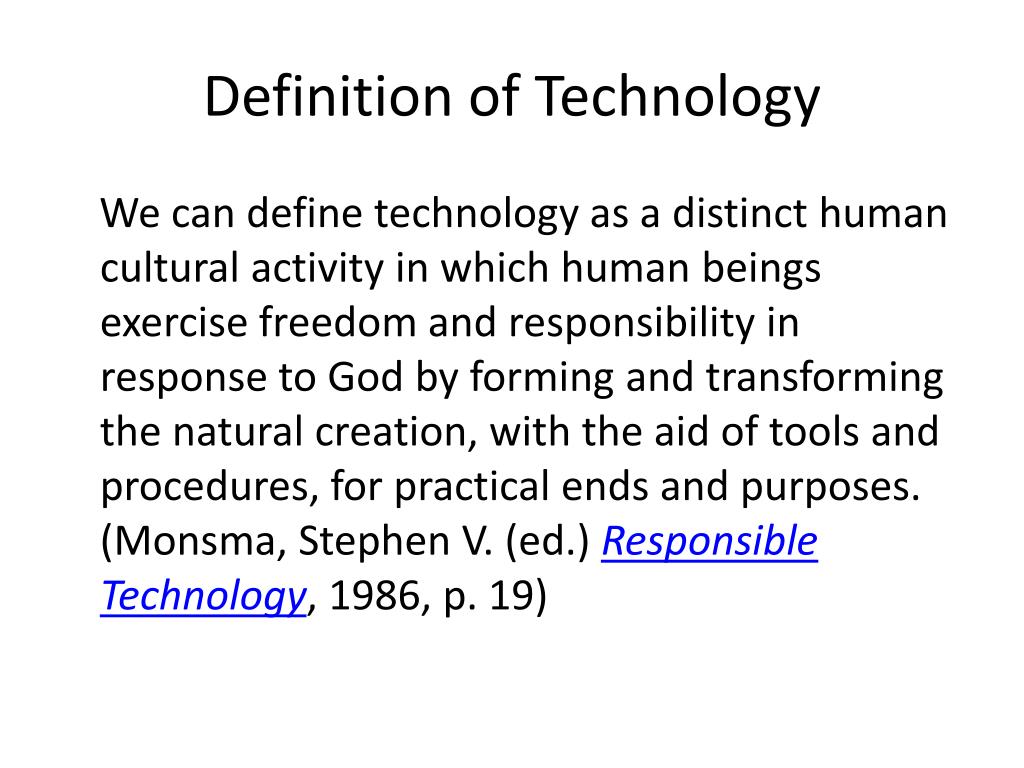
Technology is a multifaceted concept that encompasses a wide range of tools, systems, methods, and processes used to solve problems, achieve goals, and improve efficiency in various aspects of human life. It is not limited to electronic devices or gadgets but extends to the application of scientific knowledge for practical purposes.
One defining characteristic of technology is its role in facilitating human activities. From simple tools like a hammer or wheel to complex systems like artificial intelligence and nanotechnology, technology enables individuals and societies to accomplish tasks more efficiently than would be possible through manual means alone.
Another key aspect of technology is its constant evolution and innovation. Advancements in technology are driven by the quest for improvement, whether it be in terms of speed, accuracy, convenience, or sustainability. As new challenges arise and new opportunities emerge, technology adapts and transforms to meet changing needs.
Moreover, technology is inherently interconnected with science and engineering. It draws upon scientific principles to understand the natural world and applies engineering principles to design and create practical solutions. The synergy between science, engineering, and technology fuels progress and drives innovation across various fields.
Furthermore, technology is not value-neutral; it reflects the values, priorities, and biases of its creators and users. Ethical considerations play a crucial role in shaping the development and deployment of technology, as decisions about what technologies to pursue and how to use them can have profound social, economic, and environmental implications.
In conclusion, what defines technology is its transformative power to shape the way we live, work, communicate, learn, and interact with the world around us. It embodies human ingenuity, creativity, curiosity, and ambition as we harness our collective knowledge to build a better future through technological innovation.
Understanding Technology: Key Questions and Insights
- What is technology?
- How does technology impact society?
- What are the different types of technology?
- Is technology limited to electronic devices?
- How has technology evolved over time?
- What role does innovation play in defining technology?
- What ethical considerations are associated with technology?
- How does technology influence human behaviour?
What is technology?
Technology encompasses a broad spectrum of tools, systems, methods, and processes that leverage scientific knowledge for practical applications. It goes beyond mere electronic devices to include any innovation that enhances human capabilities and improves efficiency in various spheres of life. From the simplest hand tools to cutting-edge advancements like artificial intelligence and biotechnology, technology plays a pivotal role in shaping how we interact with the world and solve complex problems. Its continuous evolution and adaptability reflect our innate drive for progress and innovation, highlighting the dynamic nature of technology as it continues to redefine our present and shape our future.
How does technology impact society?
Technology has a profound impact on society, influencing virtually every aspect of our daily lives. From communication and transportation to healthcare and education, technology shapes how we interact, work, learn, and even think. It has revolutionised the way we access information, connect with others across the globe, and conduct business. While technology offers numerous benefits such as increased efficiency, convenience, and connectivity, it also raises concerns about privacy, security, job displacement, and digital divide. The societal impact of technology is complex and multifaceted, highlighting the need for thoughtful consideration of its implications as we navigate the ever-changing landscape of technological advancement.
What are the different types of technology?
Technology encompasses a diverse array of tools, systems, and processes that serve various purposes and functions. Broadly speaking, technology can be categorised into different types based on its application and characteristics. Some common types of technology include information technology (IT), which focuses on computing and communication systems; biotechnology, which involves the manipulation of living organisms for practical purposes; environmental technology, which aims to address environmental challenges through innovative solutions; and industrial technology, which enhances manufacturing processes and productivity. Each type of technology plays a unique role in shaping our modern world and driving progress in different sectors.
Is technology limited to electronic devices?
The definition of technology extends beyond electronic devices to encompass a diverse array of tools, systems, and processes designed to solve problems and improve efficiency. While electronic devices are prominent examples of technology, the concept itself is not confined solely to them. Technology encompasses everything from simple tools like a wheel or a lever to complex systems like transportation networks and medical equipment. The key essence of technology lies in its application of scientific knowledge for practical purposes, transcending the boundaries of electronics to encompass a wide spectrum of innovations that shape our daily lives and drive progress in various fields.
How has technology evolved over time?
Technology has undergone a remarkable evolution over time, transforming from simple tools and techniques used by early humans to the sophisticated digital systems and innovations of the present day. The history of technology is a testament to human ingenuity and creativity, as each era has seen new inventions, discoveries, and advancements that have revolutionised how we live, work, and communicate. From the invention of the wheel and the printing press to the development of electricity, computers, and the internet, technological progress has been driven by a relentless pursuit of improvement and innovation. The pace of technological evolution continues to accelerate, with breakthroughs in artificial intelligence, biotechnology, renewable energy, and other cutting-edge fields shaping the future of our society. As we look back on how technology has evolved over time, it is clear that its impact on our lives is profound and far-reaching.
What role does innovation play in defining technology?
Innovation plays a pivotal role in defining technology by driving its evolution and shaping its impact on society. As new ideas, methods, and technologies emerge, innovation propels the development of more advanced and efficient solutions to address existing challenges and meet evolving needs. Through innovation, technology continuously pushes boundaries, fosters creativity, and sparks progress in various fields. It not only expands the possibilities of what technology can achieve but also influences how we perceive, interact with, and benefit from technological advancements. Ultimately, innovation serves as a catalyst for defining the ever-changing landscape of technology and its transformative effects on individuals, communities, and the world at large.
What ethical considerations are associated with technology?
Ethical considerations play a pivotal role in the realm of technology, raising important questions about the impact of technological advancements on individuals, societies, and the environment. Issues such as data privacy, cybersecurity, algorithmic bias, digital divide, and the ethical use of artificial intelligence are just a few examples of the ethical dilemmas that arise in the tech landscape. Ensuring transparency, accountability, fairness, and respect for human rights are essential principles that guide ethical decision-making in technology development and deployment. Striking a balance between innovation and ethical responsibility is crucial to harnessing the benefits of technology while mitigating potential risks and safeguarding the well-being of all stakeholders involved.
How does technology influence human behaviour?
Technology exerts a significant influence on human behaviour by shaping how individuals interact with their environment, communicate with others, and access information. The pervasive presence of technology in daily life can alter social dynamics, cognitive processes, and decision-making patterns. From the way we consume media to how we form relationships, technology plays a pivotal role in shaping our attitudes, beliefs, and actions. As technology evolves and becomes more integrated into society, understanding its impact on human behaviour becomes increasingly crucial in navigating the complex interplay between technological advancements and individual well-being.