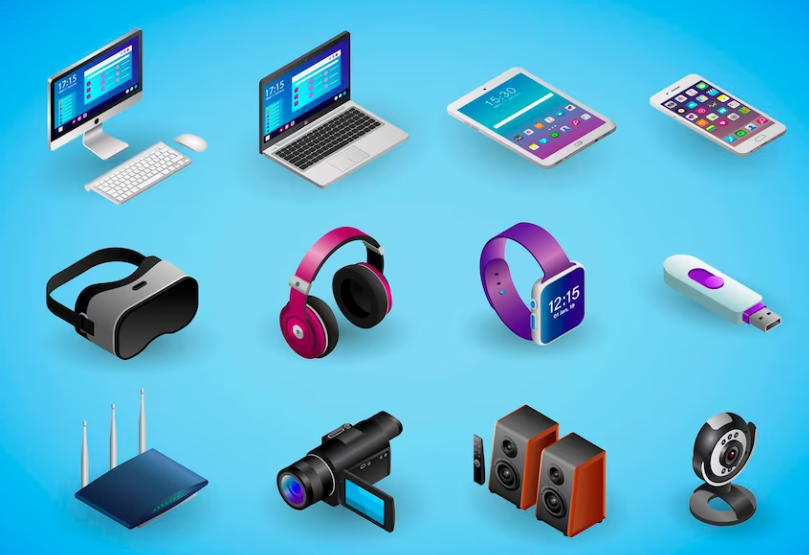
Exploring Recent Innovations in Computer Technology
The world of computer technology is ever-evolving, with new advancements and innovations emerging at a rapid pace. In recent years, several groundbreaking technologies have been introduced, revolutionising the way we interact with computers and digital devices. This article delves into some of the most exciting recent developments in computer technology.
Quantum Computing
Quantum computing stands at the forefront of technological innovation. Unlike traditional computers that use bits to process information as 0s or 1s, quantum computers use qubits, which can represent both 0 and 1 simultaneously thanks to the principles of quantum mechanics. This allows quantum computers to perform complex calculations at unprecedented speeds.
In 2023, several tech giants have made significant strides in quantum computing. These advancements promise to solve problems that are currently intractable for classical computers, such as complex simulations in chemistry and physics or optimising large logistical operations.
Artificial Intelligence (AI) and Machine Learning
The integration of AI and machine learning into computer systems continues to transform industries across the globe. Recent developments have seen AI systems become more sophisticated, capable of understanding natural language with greater accuracy and performing tasks that require human-like decision-making.
One notable advancement is the development of AI models that can generate creative content, such as music or art, showcasing AI’s potential beyond traditional data processing applications. Additionally, machine learning algorithms are increasingly used for predictive analytics in fields such as healthcare and finance, providing valuable insights from vast datasets.
Edge Computing
Edge computing is another significant trend reshaping the landscape of computer technology. By processing data closer to its source rather than relying on centralised cloud servers, edge computing reduces latency and improves response times for real-time applications.
This technology is particularly beneficial for Internet of Things (IoT) devices, where immediate data processing is crucial. As IoT devices become more prevalent in smart homes and cities, edge computing will play a vital role in ensuring efficient operation and data management.
5G Connectivity
The rollout of 5G networks globally has ushered in a new era for mobile connectivity. With significantly faster speeds and lower latency than its predecessors, 5G enables seamless streaming of high-definition content and supports a higher density of connected devices.
This increased connectivity paves the way for innovations such as augmented reality (AR) applications and enhanced mobile gaming experiences. Moreover, it provides the necessary infrastructure for autonomous vehicles by facilitating rapid communication between vehicles and their surroundings.
Sustainable Computing
As environmental concerns grow, sustainable computing has become an important focus within the tech industry. Recent technological advancements aim to reduce energy consumption through more efficient hardware designs and optimised software algorithms.
Companies are also investing in eco-friendly manufacturing processes and materials to minimise their carbon footprint. The push towards sustainability not only benefits the environment but also leads to cost savings through reduced energy usage.
Conclusion
The realm of computer technology continues to advance at an astonishing pace, offering exciting possibilities across various sectors. From quantum computing’s potential breakthroughs to AI’s transformative capabilities and sustainable practices shaping future innovations—these developments are set to redefine our interaction with digital technologies.
Advancements in Modern Computing: Harnessing Power, Speed, and Sustainability
- Enhanced computational power for complex tasks
- Improved efficiency and speed in data processing
- Innovative applications in artificial intelligence and machine learning
- Greater connectivity options with the advent of 5G technology
- Reduced latency through edge computing for real-time applications
- Potential for groundbreaking discoveries in quantum computing
- Focus on sustainability leading to eco-friendly computing practices
Challenges of Emerging Computer Technology: Privacy, Employment, Security, and Access Concerns
Enhanced computational power for complex tasks
Recent advancements in computer technology have brought forth a notable pro: enhanced computational power for complex tasks. With the evolution of hardware and software capabilities, computers can now tackle intricate calculations and data processing tasks with unprecedented speed and efficiency. This enhanced computational power enables researchers, scientists, engineers, and various professionals to handle complex simulations, data analyses, and problem-solving tasks that were once deemed impractical or time-consuming. As a result, productivity increases, innovation accelerates, and breakthroughs in various fields become more attainable, showcasing the transformative impact of enhanced computational power in driving progress and pushing the boundaries of what is achievable in the digital age.
Improved efficiency and speed in data processing
Recent advancements in computer technology have led to a significant pro: improved efficiency and speed in data processing. With the introduction of cutting-edge hardware and software solutions, computers can now handle vast amounts of data at lightning-fast speeds, enabling businesses and individuals to analyse information more quickly and make informed decisions in real time. This enhanced efficiency not only boosts productivity but also opens up new possibilities for innovation and problem-solving across various industries, ultimately driving progress and growth in the digital age.
Innovative applications in artificial intelligence and machine learning
Recent advancements in artificial intelligence (AI) and machine learning have led to a plethora of innovative applications across diverse sectors. These technologies are revolutionising industries by enabling machines to perform tasks that traditionally required human intelligence. In healthcare, AI algorithms assist in diagnosing diseases with remarkable accuracy, while in finance, they predict market trends and detect fraudulent activities. In the realm of customer service, AI-powered chatbots provide instant support, enhancing user experience. Moreover, machine learning models are driving advancements in personalised marketing by analysing consumer behaviour patterns to tailor recommendations. These innovations not only increase efficiency and accuracy but also unlock new possibilities for solving complex problems, ultimately transforming the way businesses operate and interact with their customers.
Greater connectivity options with the advent of 5G technology
The advent of 5G technology has brought about a significant pro in computer technology by providing greater connectivity options. With 5G networks offering faster speeds and lower latency, users can now enjoy seamless connectivity for a wide range of applications. From high-definition streaming to augmented reality experiences, the enhanced connectivity options afforded by 5G empower users to stay connected and productive like never before. This advancement not only improves user experience but also opens up new possibilities for innovation in various industries that rely on fast and reliable data transmission.
Reduced latency through edge computing for real-time applications
One of the significant benefits of recent advancements in computer technology is the reduced latency achieved through edge computing for real-time applications. By processing data closer to its source rather than relying solely on centralised cloud servers, edge computing minimises the delay in transmitting information, leading to faster response times and improved performance for time-sensitive tasks. This enhanced efficiency ensures that critical operations, such as IoT device communication, autonomous vehicle navigation, and real-time data analysis, can be carried out seamlessly and with minimal delays, ultimately enhancing user experience and enabling a new level of responsiveness in various digital applications.
Potential for groundbreaking discoveries in quantum computing
The recent advancements in quantum computing have unlocked a realm of unprecedented possibilities, offering the potential for groundbreaking discoveries that were once deemed unattainable. With the ability to process vast amounts of data at remarkable speeds and tackle complex problems beyond the scope of traditional computers, quantum computing holds the key to revolutionising fields such as cryptography, drug discovery, and materials science. The prospect of uncovering new solutions and pushing the boundaries of scientific knowledge through quantum computing represents a significant leap forward in technological innovation, paving the way for transformative breakthroughs that could reshape our understanding of the world around us.
Focus on sustainability leading to eco-friendly computing practices
Recent advancements in computer technology have brought about a significant pro in the form of a heightened focus on sustainability, leading to the adoption of eco-friendly computing practices. Companies are increasingly prioritising energy-efficient hardware designs, optimised software algorithms, and environmentally conscious manufacturing processes. This shift towards sustainable computing not only reduces the carbon footprint of the tech industry but also contributes to cost savings through decreased energy consumption. By embracing eco-friendly practices, the computer technology sector is playing a crucial role in mitigating environmental impact and promoting a greener future for all.
Privacy Concerns
Recent advancements in computer technology, particularly in the realms of AI and machine learning, have brought significant privacy concerns to the forefront. As these technologies rely heavily on large datasets to function effectively, they often require the collection and processing of vast amounts of personal data. This raises issues about how data is collected, stored, and shared, potentially exposing individuals’ private information to misuse or unauthorised access. Furthermore, the increasing sophistication of data analysis tools means that even anonymised data can sometimes be re-identified, further compromising privacy. As such, there is a growing need for robust data protection regulations and ethical guidelines to ensure that technological progress does not come at the expense of individual privacy rights.
Job Displacement
Automation driven by new technologies can have a significant downside in the form of job displacement. As automation takes over tasks that were previously performed by humans, there is a risk of reduced employment opportunities across various sectors. Workers who are replaced by machines may face challenges in transitioning to new roles or industries, leading to job insecurity and economic instability for individuals and communities. The rapid pace of technological advancement underscores the importance of proactive measures to address the potential consequences of automation on the workforce and to ensure that individuals are equipped with the skills needed for the evolving job market.
Cybersecurity Risks
Amid the rapid advancements in computer technology, one pressing concern is the escalating cybersecurity risks that accompany these innovations. The intricate nature of modern computer systems and networks has created fertile ground for cyber attacks and data breaches, endangering both individuals and organisations alike. The evolving landscape of cyber threats underscores the critical importance of robust cybersecurity measures to safeguard sensitive information and maintain the integrity of digital infrastructures in an increasingly interconnected world.
Digital Divide
The rapid pace of technological advancement in computer technology poses a significant con in the form of the digital divide. As new technologies emerge and evolve, there is a risk that certain individuals or communities may be left behind, lacking adequate access to these advancements and essential digital resources. This disparity in access can exacerbate existing inequalities, hindering opportunities for education, employment, and social participation for those who are unable to keep up with the fast-paced changes in the digital landscape. Efforts must be made to bridge this gap and ensure that everyone has equitable access to the benefits of recent technological innovations.