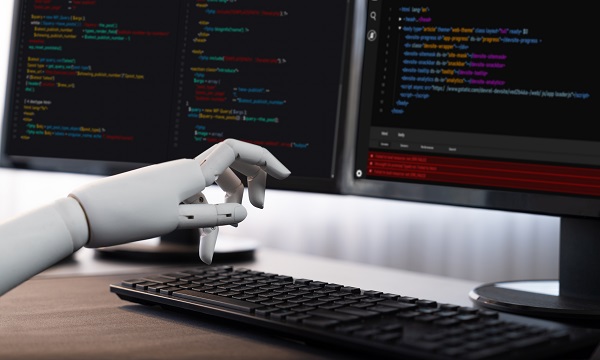
Exploring the Future: New Upcoming Computer Technology
The world of computer technology is ever-evolving, with innovations emerging at a rapid pace. These advancements promise to transform the way we interact with digital devices and redefine the boundaries of what computers can achieve. Here, we explore some of the most exciting upcoming computer technologies set to make a significant impact in the near future.
Quantum Computing
Quantum computing is poised to revolutionise industries by solving complex problems that are currently beyond the capabilities of classical computers. Unlike traditional computers that use bits as their smallest unit of data, quantum computers use qubits, which can exist in multiple states simultaneously. This allows them to process information exponentially faster.
Major tech companies and research institutions are investing heavily in developing quantum computing technology. Once fully realised, it could lead to breakthroughs in fields such as cryptography, materials science, and artificial intelligence.
Artificial Intelligence and Machine Learning
Artificial intelligence (AI) continues to advance at an unprecedented rate. With improvements in machine learning algorithms and increased computational power, AI systems are becoming more sophisticated and capable. In the coming years, AI is expected to enhance automation processes across various sectors, from healthcare diagnostics to autonomous vehicles.
Moreover, AI’s ability to analyse vast amounts of data quickly will lead to more personalised user experiences and improved decision-making processes across industries.
Edge Computing
As the Internet of Things (IoT) expands, edge computing is gaining prominence as a means of processing data closer to its source rather than relying on centralised cloud servers. This approach reduces latency and bandwidth usage while enhancing security measures.
Edge computing enables real-time data processing for applications such as smart cities, autonomous vehicles, and industrial automation systems. As more devices become interconnected, edge computing will play a crucial role in managing this complex web efficiently.
Neuromorphic Computing
Inspired by the human brain’s structure and functionality, neuromorphic computing aims to create systems that mimic neural networks’ efficiency and adaptability. These systems use specialised hardware designed for parallel processing tasks similar to how neurons operate within our brains.
This technology holds great potential for advancing AI capabilities further by enabling machines capable of learning from experience with minimal energy consumption compared with conventional architectures.
The Rise of 5G Networks
The rollout of 5G networks worldwide marks another significant milestone in computer technology development. With faster speeds than previous generations (upwards up gigabit-per-second rates), lower latency times (<10ms), increased capacity per square kilometre area coverage – all these factors combined make it possible for new applications like augmented reality (AR) experiences on mobile devices or seamless streaming high-definition video content without buffering issues!
Sustainability Through Green Technologies
Sustainability has become increasingly important within tech circles due partly because growing concerns over climate change impacts environmental degradation caused by electronic waste production disposal practices among others reasons too numerous list here but suffice say there ongoing efforts reduce carbon footprint associated manufacturing operations themselves alongside promoting recycling initiatives reuse components wherever feasible possible given current constraints faced industry today overall though trend towards greener solutions seems set continue unabated foreseeable future indeed likely accelerate pace time progresses further still beyond horizon ahead us all alike
< h3 > Conclusion
< p > In conclusion , upcoming developments discussed above represent only tip iceberg when comes exploring what lies store next generation technologies waiting emerge forefront global stage soon enough now present day context course remains see exactly how unfold practice reality unfolds before eyes collectively witness together journey unfolds step step basis moving forward together united purpose common goal achieving better tomorrow everyone involved stakeholders included naturally so let ‘ s embrace change wholeheartedly welcome challenges opportunities alike presented along way shall ?!
Exploring the Future: Answers to 7 Key Questions on Emerging Computer Technologies
- What is the next big thing in computing?
- What will be the next big technology?
- What is the newest computer technology?
- What is the latest technology in 2021?
- What is the new technology in 2022?
- What kind of computer technology is coming NeXT?
- What is the next upcoming technology?
What is the next big thing in computing?
As technology continues to advance at an unprecedented pace, one of the most frequently asked questions in the realm of computing is, “What is the next big thing in computing?” The answer to this query lies in the exciting developments on the horizon, with several groundbreaking technologies poised to shape the future of computing. From quantum computing’s potential to revolutionise data processing to artificial intelligence’s continuous evolution and edge computing’s role in enhancing real-time data processing, the next big thing in computing is likely to be a convergence of these cutting-edge innovations. As we look ahead, it is clear that a transformative era of technological progress awaits us, promising to redefine the possibilities and capabilities of computer technology in ways we have yet to fully comprehend.
What will be the next big technology?
The question of what the next big technology will be is a topic that sparks curiosity and anticipation in tech enthusiasts worldwide. As the digital landscape continues to evolve at a rapid pace, predictions and speculations abound regarding the groundbreaking innovations that could shape our future. From advancements in quantum computing and artificial intelligence to the potential of augmented reality and sustainable green technologies, the possibilities are vast and varied. While it is challenging to pinpoint with certainty what the next game-changing technology will be, one thing is certain: the relentless pursuit of innovation and progress ensures that exciting developments lie ahead, waiting to redefine how we interact with computers and digital devices in ways we may not yet imagine.
What is the newest computer technology?
The question “What is the newest computer technology?” is a common query that reflects the ever-changing landscape of technological advancements. In today’s fast-paced world, staying informed about the latest developments in computer technology is crucial for individuals and businesses alike. From quantum computing and artificial intelligence to edge computing and 5G networks, there are several cutting-edge technologies on the horizon that promise to reshape how we interact with digital devices. Keeping abreast of these emerging trends can provide valuable insights into the future of computing and help us harness the full potential of these innovations for improved efficiency, productivity, and connectivity in the digital age.
What is the latest technology in 2021?
One of the most frequently asked questions regarding new upcoming computer technology is, “What is the latest technology in 2021?” This query reflects a keen interest in staying abreast of the cutting-edge advancements that are shaping the digital landscape this year. In response, it can be noted that 2021 has seen significant progress in various technological domains, including quantum computing, artificial intelligence, edge computing, 5G networks, and sustainability-focused green technologies. These innovations are poised to redefine how we interact with computers and pave the way for a more efficient and sustainable technological future.
What is the new technology in 2022?
The year 2022 is poised to witness several groundbreaking advancements in computer technology that promise to reshape the digital landscape. From the continued development of quantum computing, with its potential to revolutionise data processing and problem-solving, to the integration of artificial intelligence and machine learning into various industries, the new year holds great promise for technological innovation. Additionally, the widespread adoption of 5G networks and the rise of edge computing are set to enhance connectivity and enable real-time data processing like never before. As we move further into 2022, these emerging technologies are set to redefine how we interact with computers and pave the way for a more efficient and interconnected future.
What kind of computer technology is coming NeXT?
The landscape of upcoming computer technology is constantly evolving, with exciting advancements on the horizon. One area that is generating significant buzz is NeXT-generation computing technologies. These cutting-edge innovations are expected to push the boundaries of what we thought possible with computers. From quantum computing and artificial intelligence to edge computing and neuromorphic systems, NeXT-generation technologies promise to revolutionise how we interact with digital devices and harness the power of data. As we eagerly anticipate what the future holds, NeXT-generation computer technology is poised to redefine our relationship with technology and pave the way for a new era of innovation and possibilities.
What is the next upcoming technology?
The question “What is the next upcoming technology?” is a common inquiry that reflects the anticipation and curiosity surrounding the ever-evolving landscape of computer technology. As we stand on the brink of a new era driven by innovation, various emerging technologies are poised to shape our future. From advancements in quantum computing and artificial intelligence to the widespread adoption of 5G networks and sustainable green technologies, the next big breakthrough could come from any of these exciting fields. Keeping a keen eye on these developments and understanding their potential implications will be key as we navigate towards a tech-driven future full of possibilities and opportunities.