The Latest Innovations in Computer Technology
The world of computer technology is constantly evolving, with new innovations and advancements emerging at a rapid pace. These developments are shaping the future of computing and transforming the way we interact with technology. Here, we explore some of the latest breakthroughs in computer technology that are making waves in the industry.
Quantum Computing
Quantum computing is one of the most exciting areas of research in computer science today. Unlike traditional computers that use bits to process information as zeros and ones, quantum computers use quantum bits, or qubits. This allows them to perform complex calculations at unprecedented speeds.
Recently, companies like IBM and Google have made significant strides in developing quantum processors capable of solving problems that were previously thought impossible for classical computers. Quantum computing has the potential to revolutionise industries such as cryptography, materials science, and artificial intelligence.
Artificial Intelligence and Machine Learning
Artificial intelligence (AI) continues to be a driving force behind many technological advancements. Machine learning, a subset of AI, enables computers to learn from data and improve their performance over time without being explicitly programmed.
Recent developments include more sophisticated natural language processing algorithms, which allow machines to understand and generate human language with greater accuracy. AI is also being used to enhance cybersecurity measures by identifying patterns of malicious activity more effectively.
Edge Computing
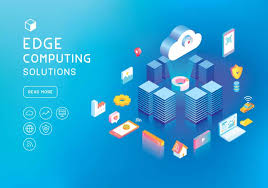
Edge computing is gaining traction as a means to process data closer to its source rather than relying on centralised cloud servers. This approach reduces latency and bandwidth usage, making it ideal for applications that require real-time data processing such as autonomous vehicles and smart cities.
The proliferation of Internet of Things (IoT) devices has accelerated the adoption of edge computing solutions. By processing data locally on devices or near the edge of the network, businesses can achieve faster response times and improved efficiency.
5G Connectivity
The rollout of 5G networks is set to revolutionise how we connect with technology. Offering significantly faster download speeds and lower latency than previous generations, 5G connectivity will enable new applications such as augmented reality (AR), virtual reality (VR), and enhanced mobile broadband experiences.
This next-generation wireless technology will also support the growing number of IoT devices by providing reliable connections for smart homes, cities, and industrial automation systems.
Conclusion
The latest innovations in computer technology are not only pushing the boundaries of what is possible but also creating new opportunities across various sectors. As these technologies continue to evolve, they promise to enhance our lives in ways we can only begin to imagine.
Staying informed about these advancements is crucial for anyone interested in understanding how technology will shape our future. Whether it’s through quantum computing breakthroughs or AI-driven insights, the future holds exciting possibilities for those ready to embrace change.
Exploring the Cutting-Edge: 8 Key Questions on the Latest Advances in Computer Technology
- What is quantum computing and how does it differ from traditional computing?
- How is artificial intelligence (AI) being used in computer technology?
- What are the benefits of edge computing compared to cloud computing?
- How will 5G connectivity impact the future of computer technology?
- What are the security implications of advancements in computer technology?
- How can machine learning enhance the performance of computer systems?
- What role does virtual reality (VR) play in modern computer technology?
- How are companies harnessing IoT devices to drive innovation in computer technology?
What is quantum computing and how does it differ from traditional computing?
Quantum computing represents a revolutionary approach to processing information that harnesses the principles of quantum mechanics. Unlike traditional computers that rely on bits to represent data as either zeros or ones, quantum computers use quantum bits, or qubits, which can exist in multiple states simultaneously thanks to phenomena like superposition and entanglement. This unique property allows quantum computers to perform complex calculations at speeds exponentially faster than classical computers. In essence, while traditional computing operates in a linear fashion, processing data one bit at a time, quantum computing leverages the power of qubits to explore multiple possibilities simultaneously, offering the potential for solving complex problems that are currently beyond the reach of classical systems.
How is artificial intelligence (AI) being used in computer technology?
Artificial intelligence (AI) is increasingly being integrated into computer technology to enhance efficiency, accuracy, and functionality across various applications. In the realm of software development, AI algorithms are used to automate code generation and bug detection, significantly speeding up the development process. In data analysis, AI helps in processing vast amounts of information quickly and accurately, providing insights that would be impossible for humans to achieve manually. AI-powered chatbots and virtual assistants are transforming customer service by offering instant support and personalised interactions. Additionally, AI is playing a crucial role in cybersecurity by identifying patterns of suspicious activity and predicting potential threats before they occur. Overall, AI is revolutionising computer technology by enabling systems to perform tasks that traditionally required human intelligence, thus opening up new possibilities for innovation and problem-solving.
What are the benefits of edge computing compared to cloud computing?
Edge computing offers several key benefits compared to traditional cloud computing. One of the main advantages is reduced latency, as data processing occurs closer to the source, leading to faster response times for real-time applications. Additionally, edge computing can improve data security and privacy by keeping sensitive information localised rather than transmitting it to a centralised cloud server. This approach also helps in reducing bandwidth usage and operational costs, making it a more efficient solution for IoT devices and applications that require rapid data processing at the edge of the network.
How will 5G connectivity impact the future of computer technology?
The advent of 5G connectivity is poised to revolutionise the landscape of computer technology in profound ways. With its significantly faster download speeds, lower latency, and increased capacity, 5G will enable a host of new applications and services that were previously constrained by network limitations. This next-generation wireless technology will not only enhance the performance of existing devices but also pave the way for innovations such as augmented reality (AR), virtual reality (VR), and autonomous vehicles. The ability of 5G to support a massive number of connected devices seamlessly will usher in a new era of interconnectedness, propelling computer technology towards greater efficiency, speed, and connectivity than ever before.
What are the security implications of advancements in computer technology?
The advancements in computer technology bring about significant security implications that must be carefully considered. As new technologies like quantum computing, artificial intelligence, and edge computing continue to evolve, so do the complexities of cybersecurity threats. Quantum computing, for instance, has the potential to break traditional encryption methods, posing a challenge to data security and privacy. Artificial intelligence can be used both defensively and offensively in cyber attacks, requiring robust measures to detect and mitigate AI-driven threats. Edge computing introduces new vulnerabilities at the network’s edge, necessitating enhanced security protocols to protect sensitive data. As we embrace the latest innovations in computer technology, it is imperative to prioritise cybersecurity measures to safeguard against emerging risks and vulnerabilities in this rapidly changing digital landscape.
How can machine learning enhance the performance of computer systems?
Machine learning has the potential to significantly enhance the performance of computer systems by enabling them to learn from data, identify patterns, and make predictions without being explicitly programmed. Through machine learning algorithms, computer systems can analyse vast amounts of data quickly and efficiently, leading to more accurate decision-making processes. By leveraging machine learning techniques, computer systems can automate tasks, improve efficiency, and adapt to changing conditions in real-time. This not only enhances the overall performance of computer systems but also opens up new possibilities for innovation and advancement in various fields of technology.
What role does virtual reality (VR) play in modern computer technology?
Virtual reality (VR) plays a pivotal role in modern computer technology by revolutionising how users interact with digital environments. By immersing individuals in simulated worlds through headsets and sensory devices, VR enhances gaming experiences, training simulations, architectural designs, and medical procedures. This technology enables users to engage with 3D environments in a more intuitive and immersive manner, pushing the boundaries of traditional computer interfaces. With its ability to transport users to virtual realms and provide realistic interactions, VR is reshaping entertainment, education, healthcare, and various industries by offering unprecedented levels of immersion and engagement.
How are companies harnessing IoT devices to drive innovation in computer technology?
Companies are harnessing IoT devices to drive innovation in computer technology by leveraging the power of interconnected smart devices to collect and analyse vast amounts of data. By integrating IoT devices into their operations, companies can gain real-time insights into performance metrics, user behaviour, and environmental conditions. This data enables them to make informed decisions, automate processes, and improve efficiency across various aspects of their business. Additionally, IoT devices facilitate the development of new applications and services that enhance user experiences and drive technological advancements in areas such as artificial intelligence, edge computing, and cybersecurity. Through strategic implementation of IoT solutions, companies are transforming the landscape of computer technology by creating interconnected ecosystems that enable seamless communication and collaboration between devices.