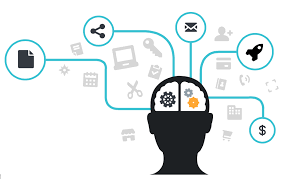
Technology: A Description of the Tools Shaping Modern Life
Technology is the practical use of knowledge, skills and tools to solve problems or achieve particular goals. It includes far more than computers and smartphones: everyday items such as bridges, water systems, kitchen appliances and medical equipment are also examples of technology.
What Does Technology Include?
Technology can be physical or digital. Physical technology includes machines, materials and equipment. Digital technology encompasses software, networks and systems that store, process or communicate information. Many modern products combine both. A smart thermostat, for example, uses sensors and software to control a physical heating system.
Technology also includes the processes used to design, build and operate tools. It involves research, engineering, manufacturing, maintenance and the knowledge needed to use a product safely and effectively.
How Technology Works
Most technologies are designed to address a need. The process often begins by identifying a problem, then developing and testing possible solutions. A successful solution may be refined over time as new materials, techniques or user needs emerge.
Digital systems typically rely on hardware and software working together. Hardware refers to the physical components, such as processors, screens and sensors. Software provides instructions that tell those components what to do. Connected systems can also exchange data through networks, allowing devices and services to work together.
Examples of Technology
- Communication: Mobile phones, email and video calls help people share information across distances.
- Healthcare: Diagnostic equipment, electronic health records and remote consultations support medical care.
- Transport: Navigation systems, electric vehicles and traffic controls help people and goods move from place to place.
- Education: Online learning platforms and digital resources give learners new ways to access and share information.
- Energy: Solar panels, wind turbines and smart electricity networks contribute to the production and management of power.
Benefits and Challenges
Technology can make tasks quicker, improve access to information and support services that would otherwise be difficult to provide. It can help organisations work more efficiently and give individuals new ways to learn, communicate and create.
However, technology can also bring challenges. Privacy and security need careful attention, particularly when systems collect personal data. Automation may change the types of work people do, while unequal access to devices and reliable internet can deepen existing disadvantages. The production and disposal of electronic equipment can also affect the environment.
Technology in the Future
Technology continues to develop as people respond to changing needs and discover new possibilities. Advances in areas such as artificial intelligence, robotics, biotechnology and renewable energy may influence how people work and live. Their effects will depend not only on what these technologies can do, but also on how they are designed, regulated and used.
Understanding technology means looking beyond the devices themselves. It means considering the problems they are intended to solve, the people they affect and the wider consequences of their use.
Understanding Technology: Key Questions and Insights
- What is technology?
- What are the main types of technology?
- How does technology work?
- What are some everyday examples of technology?
- What are the benefits and drawbacks of technology?
- How is technology changing the way we live and work?
What is technology?
Technology is the practical application of knowledge and skills to create tools, systems and processes that solve problems or meet people’s needs. It includes digital devices and software, as well as everyday inventions such as transport, medical equipment and water systems. In short, technology is not limited to computers: it encompasses the many ways people use ideas and resources to make tasks easier, safer or more efficient.
What are the main types of technology?
The main types of technology are often grouped by the needs they serve. These include information and communication technology, such as computers and mobile networks; medical technology, including diagnostic equipment and treatments; transport technology, from vehicles to navigation systems; industrial and manufacturing technology, such as robotics and automated machinery; construction technology, including modern materials and building methods; and agricultural and energy technology, such as precision farming tools, solar panels and wind turbines. These categories often overlap, and many everyday products combine several types.
How does technology work?
Technology works by applying knowledge and tools to achieve a specific purpose or solve a problem. A technology may combine physical components, such as sensors or machines, with instructions, materials or software that guide what those components do. For example, a smartphone uses hardware to capture and display information, while its software processes data and connects to networks. The exact process varies, but most technologies are designed, tested and improved to perform tasks more effectively or reliably.
What are some everyday examples of technology?
Everyday technology includes far more than computers and smartphones. Kettles, washing machines, cars, traffic lights, contactless payment cards and household heating systems are all examples of technology designed to make tasks easier, safer or more efficient. Digital tools such as navigation apps, video calls and online banking are also part of daily life, often working alongside physical devices to help people communicate, travel and manage everyday tasks.
What are the benefits and drawbacks of technology?
Technology offers many benefits, including faster communication, easier access to information, improved healthcare and greater efficiency at work and home. It can also support education, creativity and solutions to challenges such as generating cleaner energy. However, technology has drawbacks: excessive screen use can affect wellbeing, personal data may be exposed to privacy or security risks, and automation can change or displace some jobs. Access is also unequal, while manufacturing and disposing of devices can harm the environment. The impact of technology depends on how thoughtfully, fairly and responsibly it is designed and used.
How is technology changing the way we live and work?
Technology is changing the way we live and work by making communication faster, information easier to access and many everyday tasks more convenient. Digital tools enable people to shop, learn, manage services and stay in touch online, while automation and artificial intelligence can handle repetitive tasks and support decision-making at work. Remote-working platforms also allow teams to collaborate across locations. These changes can save time and create new opportunities, but they bring challenges too, including concerns about privacy, cybersecurity, job changes and unequal access to technology.