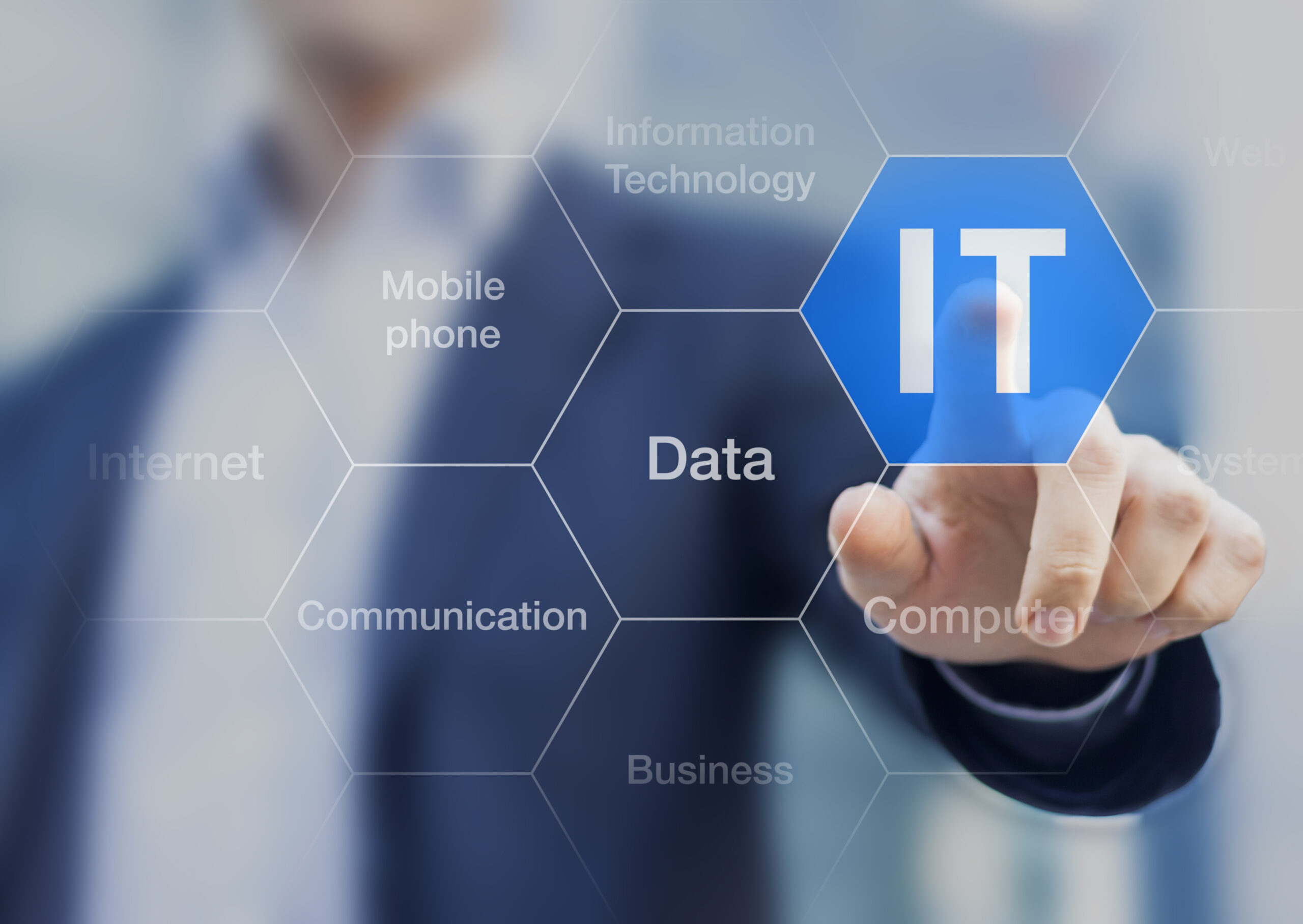
The Impact of Information Technology on the Workplace
Information technology (IT) has revolutionised the modern workplace in ways that were once unimaginable. From streamlining communication to enhancing productivity, IT has become an integral part of daily operations for businesses of all sizes.
Enhanced Communication
One of the most significant impacts of IT in the workplace is improved communication. With the advent of email, instant messaging, and video conferencing, employees can now connect with colleagues and clients around the globe in real-time. This has not only accelerated decision-making processes but also fostered collaboration among teams working remotely.
Increased Efficiency
Automation and digital tools have streamlined repetitive tasks and simplified complex processes, leading to increased efficiency in the workplace. Software applications such as project management tools, customer relationship management systems, and cloud storage solutions have made it easier for employees to organise their work and access information quickly.
Data Security
As businesses rely more on digital data storage and online transactions, data security has become a top priority. IT professionals play a crucial role in safeguarding sensitive information from cyber threats through encryption methods, firewalls, and regular security audits. Implementing robust security measures is essential to protect both company data and customer privacy.
Remote Work Opportunities
The rise of IT has enabled more flexible work arrangements, allowing employees to work remotely from any location with an internet connection. Cloud-based collaboration tools and virtual meeting platforms have made it possible for teams to stay connected and productive without being physically present in the office. This flexibility has not only improved work-life balance but also expanded talent acquisition opportunities for businesses.
Continuous Innovation
Information technology is a rapidly evolving field that drives continuous innovation in the workplace. From artificial intelligence and machine learning to Internet of Things (IoT) devices and blockchain technology, IT advancements offer new possibilities for improving business operations and creating competitive advantages. Staying abreast of technological trends is essential for companies looking to stay ahead in today’s digital landscape.
In conclusion, information technology has profoundly transformed the way we work and conduct business. By embracing IT solutions and leveraging technological advancements, organisations can enhance their performance, adapt to changing market demands, and drive sustainable growth in an increasingly digital world.
Eight Advantages of Technology: Enhancing Communication, Efficiency, Security, and Innovation
- Enhanced communication through instant messaging and video conferencing.
- Increased efficiency in business operations with automation and digital tools.
- Improved data security measures to protect sensitive information from cyber threats.
- Remote work opportunities that promote flexibility and work-life balance.
- Continuous innovation driven by advancements in artificial intelligence and IoT devices.
- Access to a vast amount of information and resources at the click of a button.
- Efficient collaboration among team members regardless of geographical locations.
- Cost savings through the implementation of cloud-based solutions for storage and software applications.
Challenges of Technology: Security Risks, Social Impacts, Job Displacement, and Inequality
- Cybersecurity threats pose a constant risk to sensitive data and personal privacy.
- Overreliance on technology can lead to reduced face-to-face interaction and interpersonal skills.
- Technological advancements may result in job displacement as automation replaces certain roles.
- Digital divide exists, with disparities in access to technology creating inequalities in education and opportunities.
Enhanced communication through instant messaging and video conferencing.
Enhanced communication through instant messaging and video conferencing has revolutionised the way individuals and businesses interact in the digital age. These technological tools have bridged geographical barriers, enabling real-time conversations and collaborations regardless of physical distance. Instant messaging facilitates quick exchanges of information, fostering efficient decision-making and team coordination. On the other hand, video conferencing offers a more personal touch to communication by allowing face-to-face interactions without the need for physical presence. Overall, these advancements in communication technology have greatly improved productivity, connectivity, and relationship-building in both professional and personal settings.
Increased efficiency in business operations with automation and digital tools.
The increased efficiency in business operations brought about by automation and digital tools has revolutionised the way organisations conduct their day-to-day tasks. By automating repetitive processes and utilising digital tools such as project management software and cloud storage solutions, businesses can streamline their workflows, improve productivity, and make better use of resources. This not only saves time and reduces human error but also allows employees to focus on more strategic activities, ultimately leading to enhanced overall performance and competitiveness in the market.
Improved data security measures to protect sensitive information from cyber threats.
In today’s digital age, one of the significant advantages of technology in the realm of information technology (IT) is the implementation of enhanced data security measures to safeguard sensitive information from cyber threats. With the increasing reliance on digital data storage and online transactions, businesses are prioritising robust security protocols such as encryption methods, firewalls, and regular security audits to protect valuable data assets. These proactive measures not only mitigate the risk of data breaches but also instil confidence in customers regarding their privacy and trust in the organisation’s commitment to maintaining a secure digital environment.
Remote work opportunities that promote flexibility and work-life balance.
The advancement of technology has opened up new possibilities for remote work, offering employees the flexibility to work from any location with an internet connection. This shift towards remote work promotes a better work-life balance by allowing individuals to manage their time more effectively and reduce commuting stress. With the help of digital tools and communication platforms, teams can collaborate seamlessly regardless of their physical location, fostering productivity and creativity while accommodating personal responsibilities. Remote work opportunities not only benefit employees by providing greater autonomy but also enable businesses to tap into a wider talent pool and adapt to changing work dynamics in a fast-paced digital age.
Continuous innovation driven by advancements in artificial intelligence and IoT devices.
Continuous innovation, driven by advancements in artificial intelligence (AI) and Internet of Things (IoT) devices, is reshaping industries and enhancing everyday life. AI’s ability to process vast amounts of data and learn from patterns is leading to smarter decision-making processes, automation of complex tasks, and personalised user experiences. Meanwhile, IoT devices are creating interconnected ecosystems where data flows seamlessly between physical objects and digital platforms. This synergy between AI and IoT is fostering the development of smart cities, optimising supply chains, and revolutionising healthcare through predictive analytics and remote monitoring. As these technologies continue to evolve, they promise to unlock new efficiencies, drive economic growth, and address global challenges with unprecedented precision.
Access to a vast amount of information and resources at the click of a button.
In today’s digital age, one of the key benefits of technology is the unprecedented access to a vast amount of information and resources at the click of a button. With just a few taps on a keyboard or screen, individuals can instantly retrieve data, research findings, educational materials, and a wealth of resources that were once confined to physical libraries or limited sources. This instantaneous access not only facilitates learning and knowledge-sharing but also empowers users to make informed decisions, stay updated on current affairs, and explore diverse perspectives from around the globe with unparalleled convenience.
Efficient collaboration among team members regardless of geographical locations.
In today’s interconnected world, one of the key benefits of technology in the field of information technology is the ability to facilitate efficient collaboration among team members regardless of their geographical locations. With the aid of digital communication tools such as video conferencing, instant messaging platforms, and cloud-based project management systems, teams can seamlessly work together in real-time, share ideas, and coordinate tasks effectively. This not only enhances productivity and decision-making processes but also promotes a sense of unity and cohesion among team members spread across different regions, ultimately leading to more innovative and successful outcomes for organisations.
Cost savings through the implementation of cloud-based solutions for storage and software applications.
Cost savings through the implementation of cloud-based solutions for storage and software applications have become a significant advantage for businesses in today’s digital landscape. By migrating data and applications to the cloud, companies can reduce their reliance on costly on-premises infrastructure, maintenance, and upgrades. Cloud services offer a pay-as-you-go model, allowing businesses to scale resources based on their needs and avoid upfront capital expenditures. Additionally, cloud-based solutions eliminate the need for physical storage hardware and provide greater flexibility for remote access, ultimately leading to substantial cost savings and improved operational efficiency.
Cybersecurity threats pose a constant risk to sensitive data and personal privacy.
In today’s digital age, one prominent con of technology is the persistent threat of cybersecurity breaches that jeopardise sensitive data and personal privacy. With the increasing interconnectedness of devices and systems, cybercriminals have more opportunities to exploit vulnerabilities and gain unauthorized access to confidential information. From financial data to personal identities, the potential impact of cybersecurity threats can be devastating, leading to financial losses, identity theft, and reputational damage. As individuals and organisations rely more on technology for daily tasks and operations, safeguarding against cyber threats becomes imperative to mitigate risks and protect valuable data assets.
Overreliance on technology can lead to reduced face-to-face interaction and interpersonal skills.
In today’s digital age, one significant drawback of technology is the potential for overreliance, which can result in a decline in face-to-face interaction and interpersonal skills. As individuals increasingly turn to digital communication methods such as texting, social media, and video calls, the art of engaging in meaningful conversations and building relationships through in-person interactions may diminish. This shift towards virtual communication can hinder the development of essential interpersonal skills such as active listening, empathy, and non-verbal communication cues, ultimately impacting how we connect with others on a personal level. It is crucial to strike a balance between utilising technology for convenience and maintaining authentic human connections to foster healthy relationships and effective communication skills.
Technological advancements may result in job displacement as automation replaces certain roles.
Technological advancements in the IT sector have raised concerns about potential job displacement as automation and artificial intelligence increasingly take over tasks that were once performed by humans. While automation can improve efficiency and reduce costs for businesses, it also poses a challenge for workers whose roles are at risk of being replaced by machines. This shift in the job market highlights the need for upskilling and reskilling initiatives to help employees adapt to the changing technological landscape and secure employment opportunities in emerging fields. Balancing the benefits of technology with the impact on employment remains a critical consideration for businesses and policymakers alike.
Digital divide exists, with disparities in access to technology creating inequalities in education and opportunities.
The digital age has brought about a significant con known as the digital divide, where disparities in access to technology have created inequalities in education and opportunities. This divide exacerbates existing social and economic disparities, as those with limited access to technology face barriers in acquiring essential digital skills and accessing online resources. As a result, individuals from disadvantaged backgrounds may struggle to compete in the modern workforce and miss out on valuable educational opportunities that could otherwise enhance their prospects for success. Bridging the digital gap is crucial to ensuring equal access to information and resources for all members of society, thereby promoting inclusivity and reducing the widening inequalities perpetuated by the digital divide.