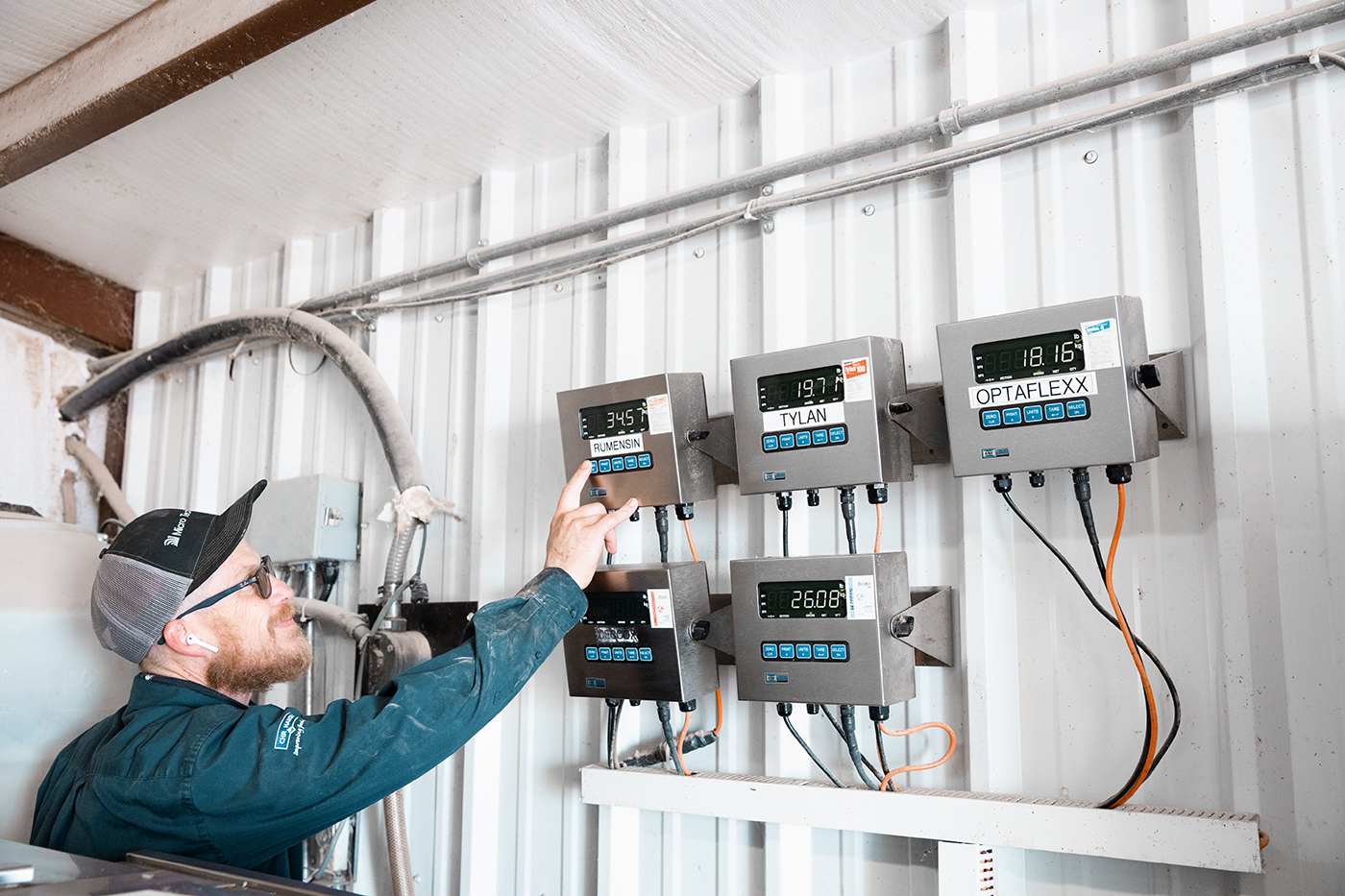
The Evolution of Feed Technology
Feed technology has come a long way since its humble beginnings. From traditional manual feeding methods to advanced automated systems, the evolution of feed technology has revolutionised the way we care for and nourish animals.
Traditional Feeding Methods
In the past, farmers relied on manual labour to feed their livestock. This involved time-consuming tasks such as mixing feed ingredients by hand and distributing them to animals in individual pens or troughs. While effective, this method was labour-intensive and often led to inconsistencies in feeding practices.
The Rise of Automated Systems
With technological advancements, automated feeding systems have become increasingly popular in modern agriculture. These systems use sensors, timers, and computer-controlled mechanisms to deliver precise amounts of feed to animals at optimal times. Automated feeders not only save time and labour but also help improve feed efficiency and reduce waste.
Smart Feeding Solutions
Recent innovations in feed technology have introduced smart feeding solutions that utilise data analytics and artificial intelligence to customise feeding regimes based on individual animal needs. These smart feeders can monitor animal behaviour, track feed consumption patterns, and adjust feeding schedules accordingly to maximise animal health and performance.
The Future of Feed Technology
As technology continues to advance, the future of feed technology looks promising. We can expect further integration of IoT (Internet of Things) devices, robotics, and predictive algorithms in feed management systems. These advancements will not only enhance efficiency and productivity in animal farming but also contribute to sustainability efforts by reducing environmental impact.
In conclusion, the evolution of feed technology has significantly transformed the way we approach animal nutrition and management. By embracing innovative solutions and harnessing the power of technology, we can continue to improve the well-being of animals while meeting the demands of a growing global population.
Exploring Feed Technology: Benefits, Data Utilisation, and Key Considerations for Livestock Systems
- What are the benefits of automated feeding systems in feed technology?
- How do smart feeders utilise data analytics and artificial intelligence in animal nutrition?
- What are the key features to consider when choosing a feed management system for livestock?
- How can IoT devices and robotics enhance feed technology in modern agriculture?
- What impact does feed technology have on animal health, performance, and environmental sustainability?
What are the benefits of automated feeding systems in feed technology?
Automated feeding systems in feed technology offer a multitude of benefits that enhance efficiency and productivity in animal farming. One key advantage is the precise and consistent delivery of feed, ensuring that animals receive the right nutrients in optimal quantities at the right times. This not only improves feed efficiency and reduces waste but also contributes to better animal health and performance. Automated systems also save valuable time and labour for farmers, allowing them to focus on other essential tasks while the feeding process is efficiently managed. Additionally, these systems can be customised to individual animal needs, thanks to advanced data analytics and smart technologies, leading to improved overall farm management practices.
How do smart feeders utilise data analytics and artificial intelligence in animal nutrition?
Smart feeders utilise data analytics and artificial intelligence to revolutionise animal nutrition by providing personalised feeding strategies tailored to each animal’s specific needs. These advanced systems collect data on various factors such as an animal’s weight, age, health status, and feeding behaviour. Using AI algorithms, they analyse this data to identify patterns and predict optimal feeding times and quantities. This ensures that each animal receives the right nutrients at the right time, enhancing their growth and overall health. Additionally, smart feeders can adjust feeding plans in real-time based on changes in environmental conditions or the animal’s health status, thereby maximising efficiency and reducing feed waste. This level of precision not only improves animal welfare but also contributes to more sustainable farming practices by optimising resource use.
What are the key features to consider when choosing a feed management system for livestock?
When selecting a feed management system for livestock, several key features should be carefully considered to ensure optimal performance and efficiency. Firstly, the system’s scalability and compatibility with your existing infrastructure are crucial factors to evaluate. It should seamlessly integrate with your farm setup and be able to accommodate potential future expansions. Secondly, the system’s accuracy in measuring and dispensing feed is paramount to prevent overfeeding or underfeeding, which can impact animal health and productivity. Additionally, ease of use and accessibility of data are essential for efficient monitoring and adjustments. A user-friendly interface and comprehensive reporting capabilities can simplify daily operations and decision-making processes. Lastly, reliability, support services, and potential for customisation are important considerations to guarantee long-term success and satisfaction with your chosen feed management system for livestock.
How can IoT devices and robotics enhance feed technology in modern agriculture?
In modern agriculture, the integration of IoT devices and robotics has revolutionised feed technology by offering advanced solutions to enhance efficiency and productivity. IoT devices enable real-time monitoring of feed levels, animal health, and environmental conditions, allowing farmers to make data-driven decisions for optimal feeding strategies. Robotics automate the feeding process, ensuring precise and consistent distribution of feed to livestock. By combining IoT sensors with robotic systems, farmers can create smart feeding solutions that customise feed delivery based on individual animal needs, minimise waste, and improve overall farm management practices. This synergy between IoT devices and robotics not only streamlines feed technology in agriculture but also paves the way for sustainable and innovative farming practices.
What impact does feed technology have on animal health, performance, and environmental sustainability?
Feed technology plays a crucial role in shaping animal health, performance, and environmental sustainability. By leveraging advanced feed technology solutions, such as automated feeding systems and smart feeders, farmers can provide animals with precise nutrition tailored to their specific needs. This targeted approach not only enhances animal health and performance but also improves feed efficiency, reducing wastage and promoting sustainable farming practices. Furthermore, by optimising feed formulations and monitoring consumption patterns, feed technology helps minimise environmental impact by mitigating nutrient runoff and reducing greenhouse gas emissions associated with livestock production. Overall, the integration of feed technology in agriculture is key to achieving a balance between maximising animal welfare, enhancing productivity, and fostering environmental stewardship.