Recent Topics in Technology
The technology landscape is perpetually evolving, with new advancements and innovations emerging at a rapid pace. Here are some of the most talked-about topics in technology today:
Artificial Intelligence and Machine Learning
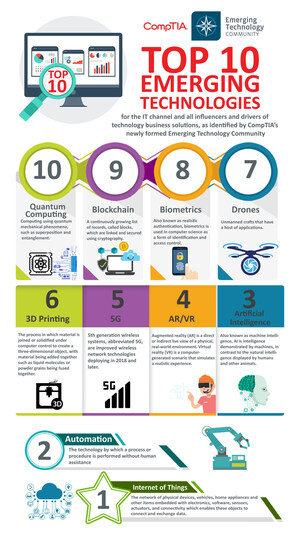
Artificial Intelligence (AI) continues to be at the forefront of technological development. With machine learning algorithms becoming more sophisticated, AI is being integrated into various sectors, from healthcare to finance. Recent advancements include natural language processing improvements, enabling more intuitive human-computer interactions, and AI-driven diagnostics in medicine.
Quantum Computing
Quantum computing promises to revolutionise computational power by leveraging the principles of quantum mechanics. Companies like IBM and Google are making significant strides in developing quantum processors that could solve complex problems far beyond the capabilities of classical computers. This technology has the potential to impact cryptography, materials science, and optimisation problems.
5G Connectivity
The rollout of 5G networks is transforming connectivity across the globe. With faster speeds and lower latency than its predecessors, 5G is set to enhance mobile broadband services and enable new applications such as autonomous vehicles and smart cities. The technology also supports the growing Internet of Things (IoT) ecosystem by connecting a vast number of devices seamlessly.
Cybersecurity Advances
As cyber threats become more sophisticated, cybersecurity remains a critical focus for organisations worldwide. Recent developments include the use of AI for threat detection and response, as well as advances in encryption technologies to protect sensitive data. The importance of cybersecurity has been underscored by high-profile data breaches that highlight vulnerabilities in existing systems.
Renewable Energy Technologies
The push towards sustainable energy solutions has led to significant advancements in renewable energy technologies. Innovations in solar panel efficiency, battery storage solutions, and wind turbine design are helping reduce reliance on fossil fuels. Additionally, smart grid technologies are improving energy distribution efficiency.
Augmented Reality (AR) and Virtual Reality (VR)
AR and VR technologies continue to make waves across various industries including gaming, education, and retail. Recent developments have focused on creating more immersive experiences through improved hardware such as headsets with better resolution and field-of-view capabilities.
Blockchain Beyond Cryptocurrency
While blockchain technology gained fame through cryptocurrency like Bitcoin, its applications extend far beyond digital currencies. Industries such as supply chain management, healthcare, and finance are exploring blockchain for its potential to enhance transparency, security, and efficiency in transactions.
The world of technology is ever-changing with each innovation paving the way for new possibilities that can transform our daily lives and industries alike.
Staying informed about these recent topics ensures individuals and businesses alike can adapt effectively to harness these technological advancements for future growth.
Exploring the Latest Trends: 7 Essential Tips on Emerging Technologies
- Artificial Intelligence
- Cybersecurity
- 5G Technology
- Internet of Things (IoT)
- Blockchain Technology
- Quantum Computing
- Augmented Reality (AR) and Virtual Reality (VR)
Artificial Intelligence
Artificial Intelligence (AI) remains a pivotal topic in the realm of technology, driving innovation across various sectors. Recent advancements have significantly enhanced AI’s capabilities, particularly in areas such as natural language processing and computer vision. These developments enable machines to understand and interpret human language with greater accuracy, facilitating more seamless interactions between humans and machines. Moreover, AI is increasingly being utilised in industries like healthcare for predictive diagnostics and personalised treatment plans, as well as in finance for fraud detection and risk management. As AI technologies continue to evolve, they promise to revolutionise how we live and work, offering new opportunities for efficiency and creativity while also raising important ethical considerations around privacy and security.
Cybersecurity
Cybersecurity remains a paramount concern in today’s digital landscape as cyber threats continue to evolve in complexity and scale. Advancements in cybersecurity technologies, such as the integration of artificial intelligence for threat detection and response, are crucial in safeguarding sensitive data and systems from malicious actors. With high-profile data breaches serving as stark reminders of the vulnerabilities present in our interconnected world, organisations are increasingly investing in robust cybersecurity measures to protect their assets and maintain the trust of their stakeholders. Vigilance, proactive monitoring, and adherence to best practices are essential components in fortifying defences against cyber attacks and ensuring the resilience of digital infrastructures.
5G Technology
5G technology represents a significant leap forward in connectivity, offering faster speeds, lower latency, and greater capacity compared to its predecessors. This next-generation network has the potential to revolutionise various industries, enabling advancements in areas such as autonomous vehicles, telemedicine, and virtual reality. With 5G, users can experience seamless streaming, enhanced mobile gaming experiences, and improved overall network performance. The deployment of 5G networks is poised to transform the way we communicate, work, and interact with technology on a global scale.
Internet of Things (IoT)
The Internet of Things (IoT) represents a significant advancement in technology, where everyday objects are connected to the internet, enabling them to send and receive data. This interconnected network of devices opens up endless possibilities for automation, efficiency, and convenience in various aspects of our lives. From smart home devices that enhance comfort and security to industrial applications that improve operational efficiency, IoT is reshaping how we interact with the world around us. However, as IoT adoption grows, so do concerns about privacy and security, highlighting the importance of robust cybersecurity measures to safeguard sensitive information transmitted through these connected devices.
Blockchain Technology
Blockchain technology has emerged as a groundbreaking innovation with far-reaching implications beyond cryptocurrencies. By creating a decentralised and transparent ledger system, blockchain offers secure and immutable record-keeping capabilities that have the potential to transform industries such as finance, supply chain management, healthcare, and more. The tamper-proof nature of blockchain ensures data integrity and trust among parties, while smart contracts enable automated and self-executing agreements. As organisations continue to explore the diverse applications of blockchain technology, its impact on enhancing efficiency, security, and accountability in various sectors is becoming increasingly evident.
Quantum Computing
Quantum computing represents a groundbreaking leap in computational power, harnessing the principles of quantum mechanics to perform calculations at an unprecedented scale. Companies and researchers are pushing the boundaries of traditional computing with quantum processors that have the potential to solve complex problems that were previously insurmountable. With applications ranging from cryptography to materials science, quantum computing is poised to revolutionise industries and pave the way for new technological frontiers. The ongoing advancements in this field highlight the exciting possibilities that quantum computing holds for shaping the future of technology and innovation.
Augmented Reality (AR) and Virtual Reality (VR)
Augmented Reality (AR) and Virtual Reality (VR) technologies have been making significant strides in recent years, offering immersive experiences that blur the lines between the physical and digital worlds. AR overlays digital information onto the real world, enhancing our surroundings with interactive elements, while VR creates entirely virtual environments for users to explore and interact with. From gaming and entertainment to education and training, AR and VR are reshaping how we engage with technology, opening up new possibilities for innovative applications across various industries.