Latest Developments in the Technology World
The technology landscape is continuously evolving, with innovations and advancements transforming how we live, work, and interact. Here are some of the latest developments making waves in the tech world:
Artificial Intelligence and Machine Learning
Artificial Intelligence (AI) and Machine Learning (ML) continue to be at the forefront of technological advancement. Recent developments include more sophisticated natural language processing models, which are enhancing voice recognition systems and chatbots. AI is also being integrated into various industries, from healthcare to finance, improving efficiency and decision-making processes.
5G Connectivity
The rollout of 5G networks is accelerating globally, promising faster internet speeds and more reliable connections. This next-generation connectivity is expected to revolutionise industries such as autonomous vehicles, smart cities, and the Internet of Things (IoT), enabling real-time data processing and enhanced communication capabilities.
Quantum Computing
Quantum computing remains a hot topic as researchers make strides in developing more powerful quantum processors. These advancements could potentially solve complex problems far beyond the capabilities of classical computers. Companies like IBM, Google, and Microsoft are leading the charge in this cutting-edge field.
Blockchain Technology
Beyond cryptocurrencies, blockchain technology is finding new applications in supply chain management, digital identity verification, and secure data sharing. Its decentralised nature offers increased transparency and security, making it an attractive solution for various sectors.
Sustainable Technology
Sustainability is becoming a key focus in tech development. Innovations such as energy-efficient data centres, biodegradable electronics, and renewable energy solutions are gaining traction as companies strive to reduce their environmental impact while maintaining technological growth.
Augmented Reality (AR) and Virtual Reality (VR)
AR and VR technologies are advancing rapidly, with applications expanding beyond gaming into fields like education, training simulations, and remote collaboration. These immersive technologies offer new ways to experience content and interact with digital environments.
Cybersecurity Enhancements
As cyber threats become increasingly sophisticated, advancements in cybersecurity are crucial. New developments include AI-driven threat detection systems that can identify vulnerabilities faster than ever before. Companies are also investing heavily in zero-trust architectures to safeguard sensitive data.
The technology world is dynamic and constantly changing. These latest developments highlight just a few areas where innovation is driving progress forward. As these technologies continue to evolve, they will undoubtedly shape our future in unprecedented ways.
Exploring the Latest Technological Developments: 9 Key Questions Answered
- What are the latest trends in technology?
- How is artificial intelligence impacting various industries?
- What is 5G technology and how does it differ from 4G?
- Can you explain quantum computing in simple terms?
- How is blockchain technology being used beyond cryptocurrencies?
- What are some examples of sustainable technology innovations?
- How are augmented reality (AR) and virtual reality (VR) changing the way we interact with digital content?
- What measures are being taken to enhance cybersecurity in light of increasing cyber threats?
- Which companies are leading the way in developing cutting-edge technologies?
What are the latest trends in technology?
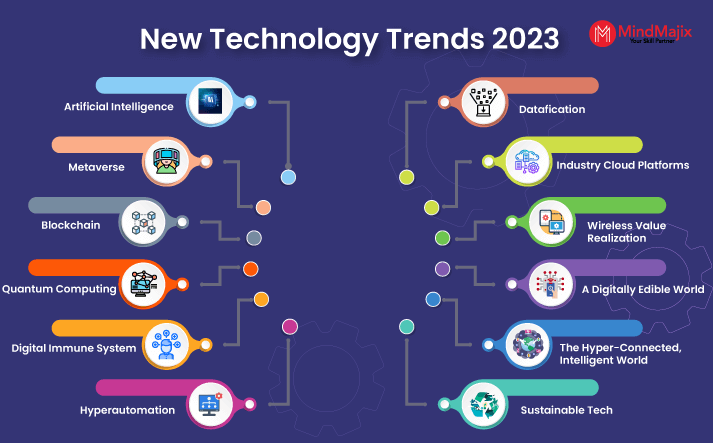
In the fast-paced world of technology, staying abreast of the latest trends is essential to understanding the direction in which innovation is heading. From the rise of artificial intelligence and machine learning to the widespread adoption of 5G connectivity, the current landscape is characterised by advancements that are reshaping industries and revolutionising how we interact with technology. Blockchain technology, quantum computing, sustainable tech solutions, augmented reality, virtual reality, and cybersecurity enhancements are also key trends driving change and setting the stage for a future where digital transformation plays an increasingly central role in our daily lives. Keeping a finger on the pulse of these trends allows individuals and businesses to adapt, innovate, and thrive in an ever-evolving technological environment.
How is artificial intelligence impacting various industries?
Artificial Intelligence (AI) is significantly impacting various industries by enhancing efficiency, accuracy, and innovation. In healthcare, AI is revolutionising diagnostics and personalised medicine through advanced data analysis and predictive algorithms. The financial sector benefits from AI-driven fraud detection and automated trading systems, improving security and operational speed. In manufacturing, AI optimises production lines with predictive maintenance and quality control, reducing downtime and waste. Retail businesses utilise AI for personalised customer experiences and inventory management. Furthermore, the transportation industry sees advancements in autonomous vehicles and traffic management systems. Overall, AI is transforming industries by streamlining processes and enabling new levels of insight and automation.
What is 5G technology and how does it differ from 4G?
5G technology is the fifth generation of mobile network technology, designed to provide faster data speeds, lower latency, and increased capacity compared to its predecessor, 4G. The key difference between 5G and 4G lies in their capabilities – 5G offers significantly higher data transfer rates, enabling quicker downloads and smoother streaming experiences. Moreover, 5G’s reduced latency allows for near-instantaneous communication between devices, making it ideal for applications like autonomous vehicles and remote surgeries. With its enhanced bandwidth and connectivity, 5G is poised to revolutionise industries and pave the way for innovative technologies that rely on real-time data processing and seamless connectivity.
Can you explain quantum computing in simple terms?
Quantum computing, in simple terms, is a revolutionary approach to processing information that leverages the principles of quantum mechanics. Unlike traditional computers that use bits (0s and 1s) to store and process data, quantum computers use quantum bits or qubits. These qubits can exist in multiple states simultaneously, thanks to a phenomenon called superposition, allowing quantum computers to perform complex calculations at an exponentially faster rate than classical computers. Additionally, qubits can be entangled, meaning the state of one qubit can instantly affect the state of another, enabling quantum computers to solve problems that are currently beyond the reach of conventional computing systems.
How is blockchain technology being used beyond cryptocurrencies?
Blockchain technology is being utilised beyond cryptocurrencies in a variety of innovative ways. One notable application is in supply chain management, where blockchain’s transparent and immutable ledger system enables tracking and tracing of products from origin to destination, enhancing accountability and reducing fraud. Additionally, blockchain is being employed in digital identity verification systems to securely store and manage personal data, offering individuals greater control over their information. Furthermore, the technology is being explored for secure data sharing among multiple parties, providing a decentralised and tamper-proof platform for exchanging sensitive information across industries such as healthcare and finance. The versatility of blockchain technology extends far beyond its initial use case in cryptocurrencies, showcasing its potential to revolutionise various sectors with its trust-building capabilities.
What are some examples of sustainable technology innovations?
Sustainable technology innovations encompass a wide range of solutions aimed at reducing environmental impact and promoting long-term sustainability. Some examples include energy-efficient smart buildings that utilise renewable energy sources like solar power, water-saving technologies for agriculture and urban infrastructure, electric vehicles with improved battery efficiency and recycling capabilities, and innovative recycling processes for e-waste management. These advancements not only address current environmental challenges but also pave the way for a more eco-friendly future where technology plays a key role in preserving our planet for generations to come.
How are augmented reality (AR) and virtual reality (VR) changing the way we interact with digital content?
Augmented Reality (AR) and Virtual Reality (VR) are revolutionising the way we interact with digital content by creating immersive and interactive experiences that blur the lines between the physical and digital worlds. AR overlays digital information onto the real world, enhancing our surroundings with virtual elements, while VR transports users to entirely virtual environments. These technologies are changing the way we learn, play, shop, and communicate by offering new ways to visualise information, explore virtual spaces, and engage with content in a more intuitive and engaging manner. From enhancing training simulations and educational experiences to revolutionising entertainment and gaming industries, AR and VR are reshaping how we perceive and interact with digital content in innovative and transformative ways.
What measures are being taken to enhance cybersecurity in light of increasing cyber threats?
In response to the escalating cyber threats, significant measures are being implemented to bolster cybersecurity. One key approach is the integration of advanced technologies such as artificial intelligence and machine learning into security systems to enhance threat detection and response capabilities. Companies are also investing in robust encryption techniques and multi-factor authentication methods to safeguard sensitive data. Additionally, there is a growing emphasis on employee training and awareness programmes to mitigate risks associated with social engineering attacks. Collaboration between public and private sectors, along with the adoption of proactive security measures, plays a crucial role in fortifying cyber defences against evolving threats in the digital landscape.
Which companies are leading the way in developing cutting-edge technologies?
In the fast-paced world of technology, several companies are at the forefront of developing cutting-edge technologies that are shaping the future. Industry giants such as Google, Apple, Amazon, Microsoft, and Tesla are known for their innovative approaches and groundbreaking research in areas like artificial intelligence, quantum computing, autonomous vehicles, and renewable energy solutions. These companies invest heavily in research and development to push the boundaries of what is possible, setting new standards for technological advancements and driving progress across various sectors. Their commitment to innovation and forward-thinking strategies position them as leaders in developing the next generation of transformative technologies.