Latest Developments in IT Technology
The world of Information Technology (IT) is ever-evolving, with new advancements continuously shaping the way businesses operate and individuals interact with technology. In recent times, several key developments have emerged, promising to redefine various aspects of IT. This article explores some of the most significant trends and innovations in the field.
Artificial Intelligence and Machine Learning
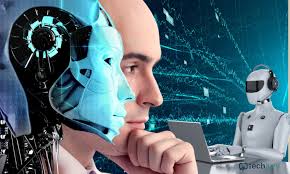
Artificial Intelligence (AI) and Machine Learning (ML) continue to be at the forefront of technological innovation. These technologies are being integrated into a wide range of applications, from enhancing customer service through chatbots to improving predictive analytics capabilities. AI-driven automation is also transforming industries by streamlining processes and reducing human error.
Quantum Computing
Quantum computing has made significant strides, with tech giants investing heavily in research and development. This technology promises to revolutionise computing by performing complex calculations at unprecedented speeds. While still in its nascent stages, quantum computing holds potential for breakthroughs in fields such as cryptography, material science, and drug discovery.
5G Connectivity
The rollout of 5G networks is set to transform connectivity by providing faster internet speeds and more reliable connections. This advancement will enable the proliferation of Internet of Things (IoT) devices, support augmented reality (AR) and virtual reality (VR) applications, and enhance mobile broadband experiences.
Edge Computing
As data generation continues to grow exponentially, edge computing has emerged as a solution for processing data closer to its source. By reducing latency and bandwidth usage, edge computing improves real-time data processing capabilities. This is particularly beneficial for applications requiring immediate responses, such as autonomous vehicles and smart cities.
Cybersecurity Enhancements
With the increasing reliance on digital technologies comes a heightened focus on cybersecurity. Recent developments include advanced threat detection systems powered by AI, blockchain-based security solutions for data integrity, and zero-trust security models that assume no network user can be trusted by default.
Sustainable IT Practices
Sustainability has become a critical consideration in IT development. Companies are adopting green technologies to reduce their carbon footprint, such as energy-efficient data centres and eco-friendly hardware design. Additionally, software solutions that optimise resource usage are gaining traction as organisations aim to balance technological growth with environmental responsibility.
Conclusion
The latest developments in IT technology highlight an exciting era of innovation that promises to transform industries across the globe. As these technologies continue to mature, they will undoubtedly bring about new challenges alongside opportunities for growth and improvement. Staying informed about these trends is essential for businesses and individuals alike who wish to remain competitive in an increasingly digital world.
Exploring Key Questions on the Latest Developments in IT Technology
- What are the latest trends in IT technology?
- How is Artificial Intelligence shaping the future of IT?
- What impact will 5G connectivity have on IT development?
- Can you explain the concept of edge computing and its significance in modern IT?
- How are cybersecurity measures evolving to address new technological challenges?
- What are the potential applications of quantum computing in various industries?
- How can businesses adopt sustainable IT practices to reduce their environmental impact?
What are the latest trends in IT technology?
One of the most frequently asked questions in the realm of IT technology is, “What are the latest trends in IT technology?” This question reflects a keen interest in staying informed about the ever-evolving landscape of technology. From artificial intelligence and machine learning to quantum computing, 5G connectivity, edge computing, cybersecurity enhancements, and sustainable IT practices, the latest trends in IT encompass a wide array of innovations that are reshaping industries and redefining how we interact with digital tools. Keeping abreast of these trends is crucial for businesses and individuals seeking to leverage cutting-edge technologies for improved efficiency, security, and sustainability in today’s fast-paced digital world.
How is Artificial Intelligence shaping the future of IT?
Artificial Intelligence (AI) is profoundly shaping the future of IT by driving innovation and efficiency across various sectors. In the realm of IT, AI is enhancing automation processes, allowing for quicker and more accurate data analysis, and improving decision-making capabilities. By integrating AI into IT systems, businesses can automate routine tasks, reduce human error, and free up resources for more strategic initiatives. Furthermore, AI-powered tools are revolutionising customer service through the use of chatbots and virtual assistants that provide 24/7 support. Machine learning algorithms are also being utilised to bolster cybersecurity measures by detecting anomalies and potential threats in real-time. As AI technology continues to advance, it promises to further transform IT infrastructure, leading to smarter systems that can adapt and learn over time, ultimately reshaping how organisations operate and compete in the digital landscape.
What impact will 5G connectivity have on IT development?
The widespread adoption of 5G connectivity is poised to have a profound impact on IT development across various sectors. With its significantly faster speeds, lower latency, and increased capacity, 5G technology will pave the way for enhanced capabilities in areas such as Internet of Things (IoT), artificial intelligence, and augmented reality. This next-generation network will enable seamless connectivity for a multitude of devices, empowering businesses to leverage real-time data analytics, support mission-critical applications, and drive innovation in ways previously unattainable. As organisations harness the power of 5G, we can anticipate a surge in transformative IT solutions that revolutionise how we work, communicate, and interact with technology.
Can you explain the concept of edge computing and its significance in modern IT?
Edge computing is a concept gaining significant traction in modern IT due to its transformative potential. Essentially, edge computing involves processing data closer to its source, at the “edge” of the network, rather than relying solely on centralised data centres. This approach reduces latency, enhances real-time data processing capabilities, and alleviates bandwidth constraints. In today’s interconnected world where speed and efficiency are paramount, edge computing plays a crucial role in supporting applications that require immediate responses, such as IoT devices, autonomous vehicles, and smart cities. By distributing computing power closer to where data is generated, edge computing enables faster decision-making processes and improved overall performance in various technological domains.
How are cybersecurity measures evolving to address new technological challenges?
Cybersecurity measures are continuously evolving to address new technological challenges brought about by the rapid advancements in IT technology. With the increasing complexity of cyber threats and the expanding attack surface presented by interconnected devices and systems, cybersecurity professionals are implementing innovative strategies to enhance protection. These measures include the integration of artificial intelligence for threat detection, the adoption of zero-trust security frameworks to mitigate insider risks, and the implementation of robust encryption protocols to safeguard sensitive data. Additionally, advancements in behavioural analytics and machine learning are being leveraged to proactively identify and respond to emerging threats in real-time. By staying ahead of evolving cyber risks through proactive measures and cutting-edge technologies, cybersecurity experts are working towards creating a more secure digital landscape for individuals and organisations alike.
What are the potential applications of quantum computing in various industries?
The potential applications of quantum computing in various industries are vast and transformative. In the field of healthcare, quantum computing holds promise for accelerating drug discovery processes, optimising treatment plans through complex simulations, and enhancing medical imaging techniques. In finance, quantum computing can revolutionise risk analysis, portfolio optimisation, and fraud detection by processing vast amounts of data at unparalleled speeds. Additionally, industries such as logistics and transportation stand to benefit from quantum computing’s ability to solve complex optimisation problems efficiently, leading to improved route planning and supply chain management. Overall, the integration of quantum computing into different sectors has the potential to drive innovation, improve efficiency, and unlock new possibilities for solving some of the most challenging problems faced by modern industries.
How can businesses adopt sustainable IT practices to reduce their environmental impact?
In light of the growing concern for environmental sustainability, businesses are increasingly seeking ways to adopt sustainable IT practices to minimise their environmental impact. One effective approach is for businesses to transition towards energy-efficient technologies, such as cloud computing and virtualisation, which can reduce power consumption and lower carbon emissions. Additionally, implementing recycling programmes for electronic waste and promoting responsible disposal of outdated hardware can help mitigate the environmental footprint of IT operations. Embracing remote work policies and digital document management systems also contribute to reducing paper usage and cutting down on unnecessary resource consumption. By integrating these sustainable IT practices into their operations, businesses can not only lessen their environmental impact but also demonstrate a commitment to corporate social responsibility in the digital age.