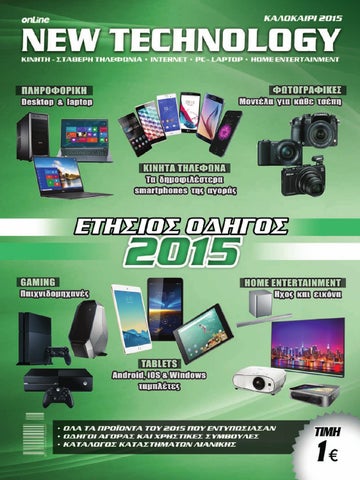
The Top Technological Advancements of 2015
In the fast-paced world of technology, the year 2015 brought forth a wave of exciting innovations that captivated the world. From groundbreaking gadgets to revolutionary software developments, here are some of the top technological advancements that defined the year:
Virtual Reality Goes Mainstream
2015 marked a significant milestone for virtual reality (VR) technology with the release of devices like the Oculus Rift and HTC Vive. These headsets offered immersive experiences that transported users to virtual worlds like never before, revolutionising gaming and entertainment industries.
Rise of Wearable Technology
Smartwatches and fitness trackers gained popularity in 2015, with devices like the Apple Watch and Fitbit dominating the market. These wearables not only tracked fitness metrics but also provided notifications, apps, and other functionalities right on users’ wrists.
Advancements in Artificial Intelligence
AI technologies made significant strides in 2015, with breakthroughs in machine learning and natural language processing. Services like Google’s DeepMind showcased AI’s potential in areas such as image recognition and language translation.
Internet of Things (IoT) Expansion
The IoT ecosystem expanded rapidly in 2015, with more connected devices entering homes and workplaces. Smart thermostats, security cameras, and home automation systems became increasingly popular, paving the way for a more interconnected world.
Enhanced Mobile Technologies
Smartphone advancements continued to impress in 2015, with features like fingerprint sensors, improved cameras, and faster processors becoming standard across flagship models. Mobile apps also saw significant growth, offering users new ways to stay productive and entertained on-the-go.
In conclusion, the year 2015 was a transformative period for technology enthusiasts worldwide as new innovations reshaped how we interact with digital tools and services. As we look back at these advancements, we can appreciate how they laid the foundation for even more exciting developments in the years to come.
Top 8 Technological Advancements of 2015: From Virtual Reality to Renewable Energy Integration
- 1. Enhanced virtual reality experiences with devices like Oculus Rift and HTC Vive.
- 2. Introduction of innovative wearable technologies such as the Apple Watch and Fitbit.
- 3. Advancements in artificial intelligence technology, showcasing its potential in various applications.
- 4. Expansion of the Internet of Things (IoT) ecosystem, leading to more connected devices.
- 5. Improved mobile technologies with features like fingerprint sensors and faster processors.
- 6. Increased focus on cybersecurity measures to protect digital assets and personal information.
- 7. Greater accessibility to cloud computing services for individuals and businesses alike.
- 8. Integration of renewable energy solutions into tech products for a more sustainable future.
Exploring the Challenges of New Technology in 2015: Privacy, Equity, Employment, Security, Dependence, Environment, and Ethics
- 1. Privacy Concerns
- 2. Digital Divide
- 3. Job Displacement
- 4. Security Vulnerabilities
- 5. Technological Dependence
- 6. Environmental Impact
- 7. Ethical Dilemmas
1. Enhanced virtual reality experiences with devices like Oculus Rift and HTC Vive.
In 2015, one of the standout benefits of new technology was the enhanced virtual reality experiences offered by devices such as the Oculus Rift and HTC Vive. These cutting-edge headsets transported users to immersive virtual worlds, revolutionising the way people engage with gaming and entertainment. By providing a level of realism and interactivity previously unseen, these devices not only entertained but also opened up new possibilities for education, training, and communication in ways that were once unimaginable. The advancements in virtual reality technology in 2015 marked a significant step forward in creating truly unforgettable and engaging digital experiences.
2. Introduction of innovative wearable technologies such as the Apple Watch and Fitbit.
The year 2015 witnessed a significant pro of new technology with the introduction of innovative wearable technologies like the Apple Watch and Fitbit. These devices revolutionised the way we monitor our health and interact with digital information on-the-go. The Apple Watch, with its sleek design and comprehensive features, offered users a convenient way to stay connected, track fitness metrics, and access apps directly from their wrists. Similarly, Fitbit’s range of fitness trackers provided users with valuable insights into their physical activities, sleep patterns, and overall well-being. These wearable technologies not only enhanced our daily lives but also paved the way for a more integrated approach to personal health and technology usage.
3. Advancements in artificial intelligence technology, showcasing its potential in various applications.
In 2015, advancements in artificial intelligence technology showcased its immense potential across a variety of applications, transforming industries and everyday life. AI systems became more sophisticated, with improvements in machine learning algorithms and natural language processing enabling computers to perform tasks that previously required human intelligence. This year saw AI being effectively utilised in areas such as image recognition, where systems could accurately identify objects and people within photographs, enhancing security and personalisation features. Additionally, language translation services became more precise and accessible, breaking down communication barriers globally. The healthcare sector also benefited from AI advancements, with predictive analytics aiding in early disease detection and personalised treatment plans. These developments highlighted the transformative power of AI, paving the way for future innovations that promised to further integrate intelligent systems into our daily routines.
4. Expansion of the Internet of Things (IoT) ecosystem, leading to more connected devices.
In 2015, one of the notable advantages of technological progress was the expansion of the Internet of Things (IoT) ecosystem. This growth resulted in a greater number of interconnected devices that could communicate and share data seamlessly. From smart home appliances to wearable gadgets, the increased connectivity offered convenience, efficiency, and enhanced functionality for users. The proliferation of IoT devices not only simplified daily tasks but also paved the way for a more interconnected and automated lifestyle, setting the stage for further innovations in the realm of smart technology.
5. Improved mobile technologies with features like fingerprint sensors and faster processors.
In 2015, one of the notable benefits of technological advancements was the significant improvement in mobile technologies. The introduction of features such as fingerprint sensors and faster processors revolutionised the way users interacted with their smartphones. Fingerprint sensors provided enhanced security measures, offering a convenient and secure way to unlock devices and authenticate transactions. Additionally, the integration of faster processors not only improved overall device performance but also enabled smoother multitasking and quicker access to apps and content, enhancing the user experience on mobile devices. These advancements in mobile technology set a new standard for innovation and paved the way for more sophisticated features in subsequent years.
6. Increased focus on cybersecurity measures to protect digital assets and personal information.
In 2015, one of the significant advantages of new technology was the heightened emphasis on cybersecurity measures to safeguard digital assets and personal information. With the increasing reliance on digital platforms for communication, transactions, and data storage, the need for robust cybersecurity solutions became paramount. Innovations in encryption technologies, biometric authentication methods, and secure communication protocols helped bolster defences against cyber threats, ensuring a more secure online environment for individuals and organisations alike. This increased focus on cybersecurity not only protected sensitive data but also instilled a sense of trust and confidence in the digital realm, paving the way for safer interactions and transactions in the evolving technological landscape.
7. Greater accessibility to cloud computing services for individuals and businesses alike.
The year 2015 brought about a significant pro in the realm of technology with greater accessibility to cloud computing services for individuals and businesses alike. This advancement revolutionised the way data was stored, accessed, and managed, offering a convenient and cost-effective solution for users to store their information securely in the cloud. With the ability to access files from any device connected to the internet, individuals and businesses found it easier to collaborate, share resources, and streamline their workflows efficiently. The expansion of cloud computing services in 2015 opened up new possibilities for users to harness the power of remote storage and computing resources, marking a pivotal moment in the digital landscape.
8. Integration of renewable energy solutions into tech products for a more sustainable future.
The integration of renewable energy solutions into tech products in 2015 marked a significant step towards a more sustainable future. By harnessing the power of renewable sources such as solar and wind energy, technology companies were able to reduce their carbon footprint and promote environmental conservation. This proactive approach not only showcased the potential for innovation in creating eco-friendly products but also highlighted the importance of adopting sustainable practices to mitigate the impact of climate change.
1. Privacy Concerns
The rapid advancement of technology in 2015 brought about a significant con in the form of privacy concerns. With the increasing sophistication of digital tools and systems, data breaches and surveillance activities became more prevalent, raising serious questions about the protection of personal information. Individuals and organisations alike faced challenges in safeguarding their data from cyber threats and unwarranted monitoring, highlighting the need for stronger privacy regulations and security measures to address these growing concerns.
2. Digital Divide
The year 2015 saw the emergence of a concerning con in the realm of new technology: the digital divide. As innovative technologies were introduced, a noticeable gap grew between individuals who had easy access to these advancements and those who did not. This disparity served to deepen existing social and economic inequalities, highlighting the importance of addressing issues related to digital inclusion and ensuring that technological benefits are accessible to all members of society.
3. Job Displacement
In 2015, the rapid advancements in automation and artificial intelligence posed significant challenges to traditional job roles, sparking widespread concerns about job displacement. As machines and algorithms became increasingly capable of performing tasks that were once the domain of human workers, industries faced the prospect of reshaping their workforce dynamics. This shift threatened employment in sectors reliant on routine and manual tasks, leading to fears of rising unemployment and economic instability. The potential for machines to replace human labour raised critical questions about the future of work, necessitating discussions on retraining and upskilling to prepare the workforce for a technology-driven era.
4. Security Vulnerabilities
With the rapid expansion of IoT devices and online services in 2015, a notable downside emerged in the form of security vulnerabilities. These weaknesses posed a significant threat to users’ personal data, raising concerns about the safety and privacy of individuals in the digital realm. The increasing interconnectedness of devices and services highlighted the urgent need for robust cybersecurity measures to safeguard sensitive information from potential breaches and cyber attacks.
5. Technological Dependence
In 2015, a notable con of new technology emerged as people became increasingly dependent on digital devices and services. This growing reliance raised concerns about addiction and the potential loss of meaningful face-to-face social interactions. The convenience and connectivity offered by technology often came at the cost of reduced personal engagement and human connection, highlighting the need for individuals to strike a balance between utilising technology for efficiency and maintaining authentic relationships in the real world.
6. Environmental Impact
The environmental impact of new technology in 2015 was a concerning con that could not be overlooked. The production and disposal of electronic devices during this time significantly added to environmental pollution and the accumulation of e-waste, presenting substantial ecological challenges. As the demand for tech gadgets soared, so did the need to address the negative consequences on our environment, urging both manufacturers and consumers to consider more sustainable practices for a greener future.
7. Ethical Dilemmas
In 2015, the rapid advancement of technology brought with it a host of ethical dilemmas that sparked widespread debate and concern. As artificial intelligence systems became more sophisticated, questions arose about AI ethics, particularly regarding decision-making processes and accountability. The potential for algorithmic bias in these systems highlighted issues of fairness and discrimination, as biased data could lead to unjust outcomes. Additionally, the increasing reliance on data-driven technologies raised concerns about privacy and the responsible use of personal information. These ethical challenges underscored the need for robust frameworks and guidelines to ensure that technological progress aligns with societal values and principles.